
























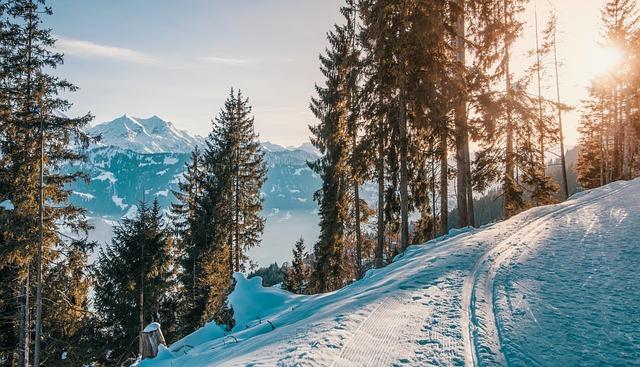
In the serene silence of a snow-blanketed morning, where the world seems to pause in the tranquility of nature’s frozen embrace, a different kind of dialogue brews beneath the pristine surface. Ski resorts, the vibrant playgrounds of winter enthusiasts, beckon thousands to their slopes each year, promising the thrill of the descent and the allure of crisp mountain air. Yet, as the chairlifts hum and the snow cannons roar, an unsettling question begins to echo through the valleys and peaks: what is the environmental cost of this winter wonderland? As these resorts carve their niche into the natural landscape, a pressing debate emerges. Should they be held accountable for the environmental footprints they leave behind? In this article, we delve into the complexities of this issue, exploring the delicate balance between economic vitality and ecological stewardship in the world of winter sports.
Impact of Ski Resorts on Mountain Ecosystems
As ski resorts carve their paths through mountain ecosystems, the environmental toll becomes increasingly apparent. The construction and expansion of these recreational havens often lead to deforestation, disrupting local wildlife habitats and altering the natural landscape. The installation of ski lifts and facilities can result in soil erosion, which affects the water quality in nearby streams and rivers. Moreover, the heavy machinery used for grooming slopes and creating artificial snow consumes substantial energy and water resources, further straining the delicate balance of these ecosystems.
- Deforestation and habitat disruption: Clearing trees for slopes and facilities impacts biodiversity.
- Soil erosion: Construction and maintenance activities contribute to landscape degradation.
- Water and energy consumption: Snowmaking processes require significant resources.
- Pollution: Increased tourist activity can lead to waste and pollution in these pristine areas.
While the economic benefits of ski resorts are undeniable, the environmental consequences they impose cannot be ignored. Sustainable practices and strict environmental regulations are essential to minimize their impact. It’s crucial for ski resorts to adopt eco-friendly initiatives, such as using renewable energy sources and implementing wildlife conservation programs, to ensure that the natural beauty of these mountain ecosystems is preserved for future generations.
Balancing Tourism and Environmental Preservation
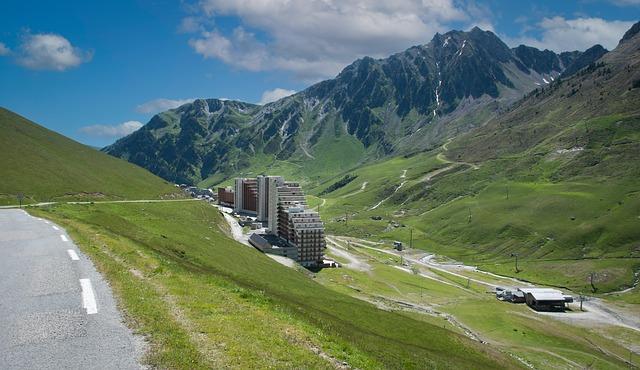
Ski resorts are often celebrated for their ability to provide thrilling winter sports experiences, but they also raise significant questions about their environmental impact. As sprawling operations that require massive infrastructure, from chairlifts to artificial snowmaking, these resorts can potentially lead to deforestation, soil erosion, and disruption of local wildlife habitats. The construction and maintenance of ski slopes often involve altering landscapes, which can contribute to long-term ecological imbalances. Given these concerns, should ski resorts be more rigorously scrutinized for their environmental practices?
There are several strategies that can be implemented to strike a balance between tourism and ecological health:
- Implementing sustainable practices: Utilizing renewable energy sources and minimizing waste production can reduce the carbon footprint of these resorts.
- Conservation partnerships: Collaborating with environmental organizations can help in the preservation and restoration of local ecosystems.
- Eco-friendly infrastructure: Designing resorts with green building materials and sustainable architecture can lessen environmental disruption.
- Promoting off-peak tourism: Encouraging visitors during less busy times can reduce the environmental pressure during high season.
By adopting these measures, ski resorts can play a pivotal role in fostering a more sustainable relationship with nature, ensuring that their slopes remain a haven for both adventurers and the surrounding environment alike.

Legal Frameworks and Accountability in the Ski Industry
The ski industry is not only a significant contributor to the global tourism economy but also a major player in the environmental landscape. Legal frameworks governing ski resorts are complex, often intertwining federal, state, and local regulations. These frameworks aim to balance economic benefits with ecological preservation. However, the question of accountability arises when ski resorts impact the environment negatively. Are these resorts operating within a sustainable model, or are they exploiting natural resources without sufficient oversight?
Accountability can take various forms, and it often hinges on several key factors, such as:
- Compliance with Environmental Regulations: Are ski resorts adhering to existing environmental laws, and are these laws robust enough to address the unique challenges posed by high-altitude tourism?
- Impact Assessments: Do resorts conduct thorough environmental impact assessments before expansion or new developments, and are these assessments publicly accessible?
- Sustainability Practices: Are there proactive measures in place to minimize ecological footprints, such as energy-efficient operations, waste reduction, and habitat conservation efforts?
- Community Involvement: How engaged are local communities in the decision-making processes that affect their natural landscapes?
While the legal structures provide a foundation for environmental stewardship, the effectiveness of these frameworks often depends on their enforcement and the commitment of ski resorts to go beyond mere compliance. The dialogue around environmental accountability in the ski industry continues to evolve, pushing towards more sustainable and responsible practices.

Innovative Practices for Sustainable Skiing
As the winter tourism industry grows, ski resorts are increasingly exploring innovative practices to minimize their environmental footprint. One such approach is the adoption of renewable energy sources. Many resorts are now harnessing the power of solar and wind energy to run lifts and snowmaking equipment, significantly reducing their reliance on fossil fuels. Furthermore, some are experimenting with geothermal heating systems for their lodges, which not only cuts down on emissions but also offers a sustainable way to maintain guest comfort.
Another exciting development is the implementation of eco-friendly snowmaking techniques. Traditional snowmaking can be resource-intensive, consuming vast amounts of water and energy. However, by investing in more efficient snow guns and water recycling systems, resorts can drastically reduce their environmental impact. Additionally, there’s a growing trend towards natural landscaping and biodiversity conservation. Resorts are rewilding areas to support local flora and fauna, enhancing the natural beauty of the mountains while promoting ecosystem health. These efforts not only preserve the environment but also offer guests a richer, more authentic alpine experience.
- Renewable energy adoption: solar, wind, and geothermal
- Efficient snowmaking: advanced snow guns and water recycling
- Natural landscaping and biodiversity conservation
To Wrap It Up
As the snow-capped peaks whisper tales of winters past and the pristine landscapes beckon to the adventurers in all of us, the question of accountability looms like a shadow on the glistening slopes. Ski resorts, those sanctuaries of thrill and escape, find themselves at a crossroads, where the pursuit of leisure must reconcile with the stewardship of nature. The delicate balance between economic vitality and environmental responsibility demands a thoughtful discourse that transcends mere recreation.
As we glide to the end of this exploration, let us consider the broader picture: the intertwining of human enjoyment and ecological preservation. Perhaps the path forward lies not in casting blame but in forging partnerships between resorts, communities, and environmental advocates. Together, they can carve out solutions as innovative and resilient as the mountains themselves.
whether you are a seasoned skier or a concerned environmentalist, the call is clear. The responsibility is not solely on the shoulders of ski resorts, but on all who cherish these majestic terrains. It is a shared journey, where every voice, every action, can contribute to the harmony between human aspirations and the earth’s enduring beauty. And as we look to the horizon, may our footprints be as light as the falling snow, and our impact as enduring as the mountains that inspire us.