

























In an era where wanderlust knows no bounds and the allure of far-off destinations captivates the imagination, travelers find themselves increasingly confronted with the paradox of exploration and preservation. As the global community becomes more conscious of environmental issues, a pressing question emerges: should visitors avoid heavily polluted destinations? This inquiry is not merely about personal health and safety, but also encompasses broader considerations of environmental responsibility and the ethics of tourism. In this article, we delve into the complexities surrounding this dilemma, exploring the implications for both travelers and the destinations they yearn to experience. Join us as we navigate the intricate landscape of travel choices, where every decision carries weight and every journey tells a story.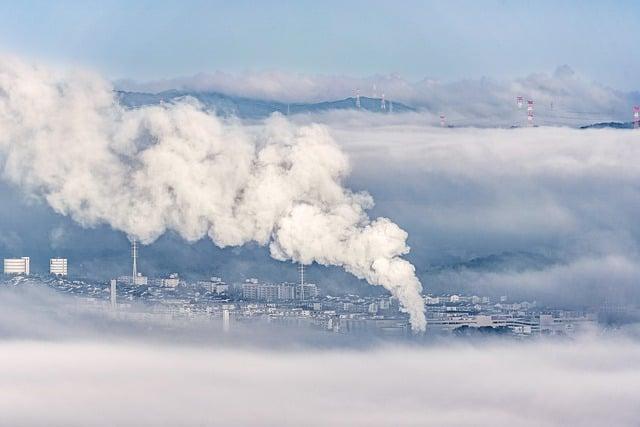
Navigating the Smog: Health Implications of Visiting Polluted Cities
When journeying to urban centers where air quality is a concern, it’s crucial to be aware of the potential health risks associated with high levels of pollution. Short-term exposure can lead to respiratory issues, especially for those with pre-existing conditions like asthma or chronic bronchitis. Visitors might experience symptoms such as coughing, throat irritation, or shortness of breath. For those who love to explore cities on foot, the physical exertion combined with polluted air could exacerbate these symptoms.
To mitigate these risks, travelers should consider the following strategies:
- Check the air quality index before heading out, and plan indoor activities on days when pollution levels are high.
- Wear masks designed to filter out pollutants, especially in densely populated areas or during peak traffic hours.
- Stay hydrated to help your body combat the effects of air pollution.
- Seek accommodations that offer air purifiers or are located in less polluted neighborhoods.
While the allure of bustling cityscapes is undeniable, being informed and prepared can help ensure a safe and enjoyable visit despite environmental challenges.
The Ethical Dilemma: Balancing Tourism with Environmental Responsibility
When contemplating a visit to destinations plagued by pollution, travelers often find themselves in a complex web of ethical considerations. On one hand, tourism can be a vital economic lifeline for these regions, offering employment and resources necessary for environmental restoration. On the other hand, the influx of visitors can exacerbate existing ecological strains, pushing fragile ecosystems to the brink. How can one tread lightly while ensuring their travel decisions support, rather than hinder, the path to sustainability?
- Research and support eco-friendly accommodations and tours that prioritize sustainability and actively work to reduce their carbon footprint.
- Engage in community-based tourism, which often reinvests a significant portion of the profits back into local environmental and social projects.
- Advocate for responsible travel policies by choosing destinations and companies committed to minimizing environmental impact.
By being conscious of where and how we travel, we can transform tourism into a force for positive change, ensuring that these destinations are preserved for future generations to enjoy.

Practical Tips for Travelers: Reducing Your Carbon Footprint on Vacation
Travelers looking to reduce their carbon footprint can make a significant impact by making mindful choices during their trips. Here are some practical tips to consider:
- Choose eco-friendly accommodations: Opt for hotels or lodgings that prioritize sustainability. Look for certifications like LEED or Green Key to ensure that the place you stay uses resources efficiently and supports local environmental initiatives.
- Travel light: Packing less not only makes your journey more comfortable but also reduces the carbon emissions associated with transporting heavy luggage. Aim for a minimalist approach by packing versatile clothing and only the essentials.
- Use public transportation: Instead of relying on taxis or rental cars, use buses, trains, or bikes to explore your destination. Public transportation is often a greener choice and can provide a more authentic travel experience.
- Support local and sustainable businesses: Dine at restaurants that use locally sourced ingredients, and shop from markets or stores that prioritize sustainability. This supports the local economy while reducing the environmental impact of transporting goods.
- Offset your carbon emissions: Consider investing in carbon offset programs that fund renewable energy projects or reforestation efforts to balance out the emissions from your travel activities.
By incorporating these practices into your travel plans, you can enjoy your vacation while minimizing your impact on the environment.

Exploring Alternatives: Finding Beauty in Lesser-Known Destinations
- Serenity Awaits: Step away from the bustling crowds and smog-laden skylines to discover the serene charm of lesser-known locales. These hidden gems offer unspoiled landscapes and vibrant cultures, untainted by the heavy hand of mass tourism. From the tranquil rice terraces of Northern Vietnam to the mystical caves of Slovenia, the world is brimming with destinations that promise an enriching experience without the worry of pollution.
- Cultural Immersion: Venturing off the beaten path often means diving deeper into the local way of life. These destinations provide a more authentic glimpse into the traditions and daily rhythms of the community. Whether it’s savoring the unique flavors of regional cuisines or participating in age-old festivals, the opportunity for genuine cultural exchange is immense and immensely rewarding.
- Environmental Benefits: By choosing to explore these lesser-trodden paths, travelers contribute to the sustainable development of these regions. Supporting local businesses and eco-friendly initiatives helps preserve their natural beauty and cultural heritage. This conscious travel choice not only enriches personal experiences but also aids in maintaining the ecological balance of these pristine areas.
Future Outlook
the decision of whether to visit heavily polluted destinations is a complex one, woven with threads of personal responsibility, global awareness, and a thirst for exploration. As travelers, we hold the power to make informed choices that align with our values and health priorities. While the allure of the world’s wonders may beckon, it is crucial to weigh the potential risks and impacts of our journeys. Whether you choose to embrace the challenge of visiting such destinations or opt for cleaner pastures, let your travels be guided by a compass of conscious consideration. After all, the footprints we leave behind today will shape the landscapes of tomorrow. Safe travels, wherever your path may lead.