
























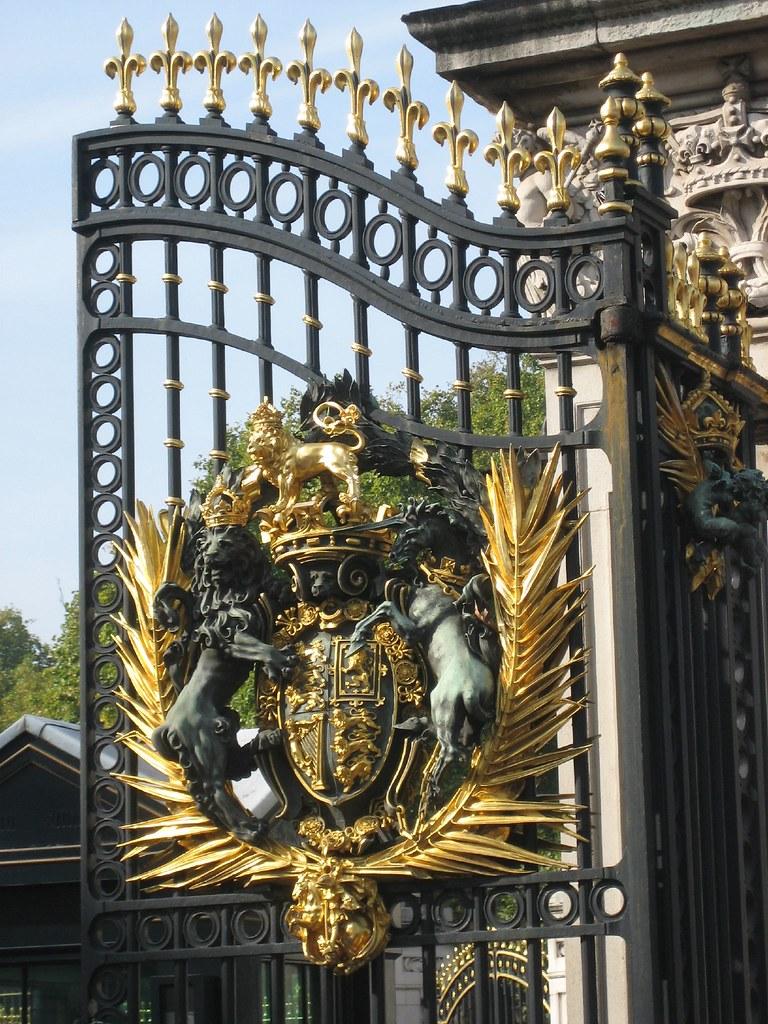
In the heart of London, where the modern pulse of the city beats in harmony with echoes of its storied past, stands a symbol of enduring legacy and grandeur—Buckingham Palace. A witness to centuries of history, this iconic edifice has been more than just a residence for the British monarchy; it has been a silent observer of pivotal moments that have shaped a nation. As we embark on a journey through time, exploring the history of Buckingham Palace, we peel back layers of architectural evolution, royal traditions, and the subtle interplay of public and private spheres that have defined its narrative. Join us as we delve into the chronicles of this majestic palace, uncovering tales of transformation, resilience, and splendor that have made it an indelible part of the cultural tapestry of Britain.
Royal Origins and Architectural Evolution
Buckingham Palace, the iconic residence of the British monarch, traces its roots back to a modest townhouse built for the Duke of Buckingham in 1703. Originally known as “Buckingham House,” this structure served as a private residence until King George III acquired it in 1761 for Queen Charlotte, transforming it into the “Queen’s House.” Over the centuries, the building has undergone numerous transformations, evolving from a quaint mansion into the majestic palace we recognize today. The architectural journey of Buckingham Palace is a tale of grandeur and adaptation, marked by the vision of successive monarchs who sought to reflect their reigns through the palace’s evolving design.
- George IV’s Ambitious Vision: It was during the reign of George IV that the house was expanded into a palace, with architect John Nash overseeing the grand transformation. Nash’s work included the addition of the central block and the iconic facade.
- Queen Victoria‘s Legacy: The palace became the official royal residence under Queen Victoria’s rule, necessitating further expansion. Architect Edward Blore added the east front, providing the backdrop for the famous balcony scenes.
- 20th Century Modernization: The palace continued to evolve with modern amenities, balancing the preservation of historical elements with the needs of a contemporary royal residence.
Today, Buckingham Palace stands not only as a symbol of the British monarchy but also as a testament to the rich architectural heritage that has been shaped by the aspirations and influences of its royal occupants.
The Palaces Role Through Historical Events
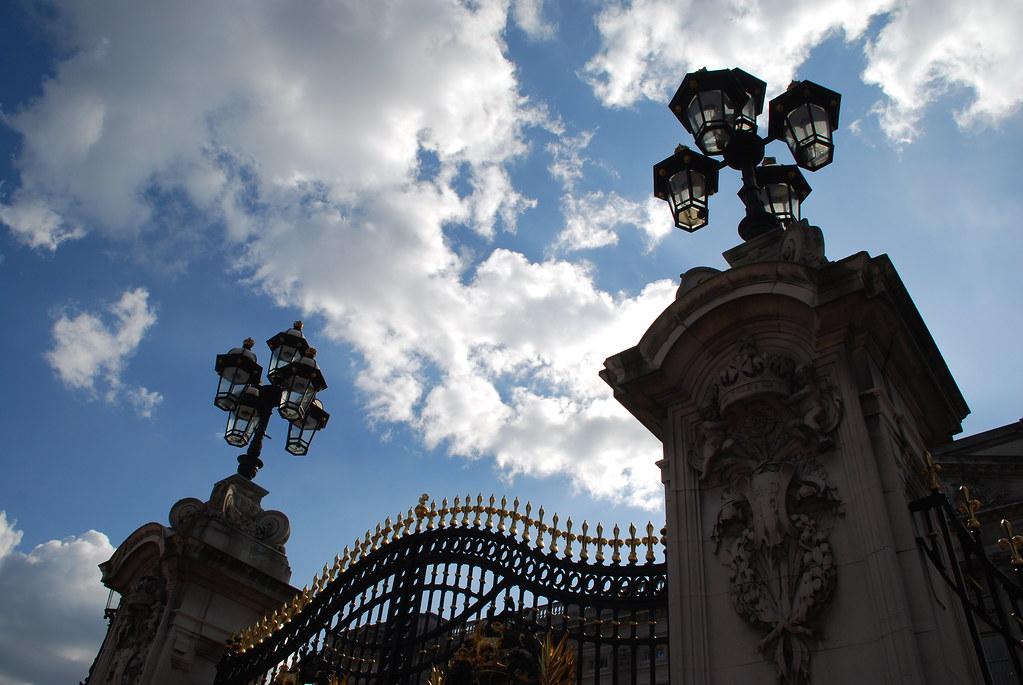
Throughout the tapestry of British history, Buckingham Palace has stood as a silent witness to a multitude of pivotal events. During the reign of Queen Victoria, it transformed from a private residence into the epicenter of British royal life. The Palace played a crucial role during the two World Wars, serving as a rallying symbol for the nation. Its iconic balcony became a platform where monarchs and leaders expressed solidarity and hope in times of crisis.
Beyond its regal facade, Buckingham Palace has also been a stage for significant social and political changes. The advent of modern communications saw the Palace adapt to new roles, such as hosting televised royal events that brought the monarchy closer to the public. In more recent times, it has embraced a spirit of inclusivity, hosting a variety of public engagements and cultural events. These changes highlight its ability to evolve and maintain relevance in a rapidly changing world.
- Queen Victoria’s Era: Transitioned from private residence to royal epicenter.
- World Wars: Symbol of national unity and resilience.
- Modern Communications: Televised events bridged the gap between royalty and the public.
- Inclusivity and Cultural Events: Reflects adaptation to contemporary societal values.
Gardens and Artifacts: Hidden Gems of Buckingham
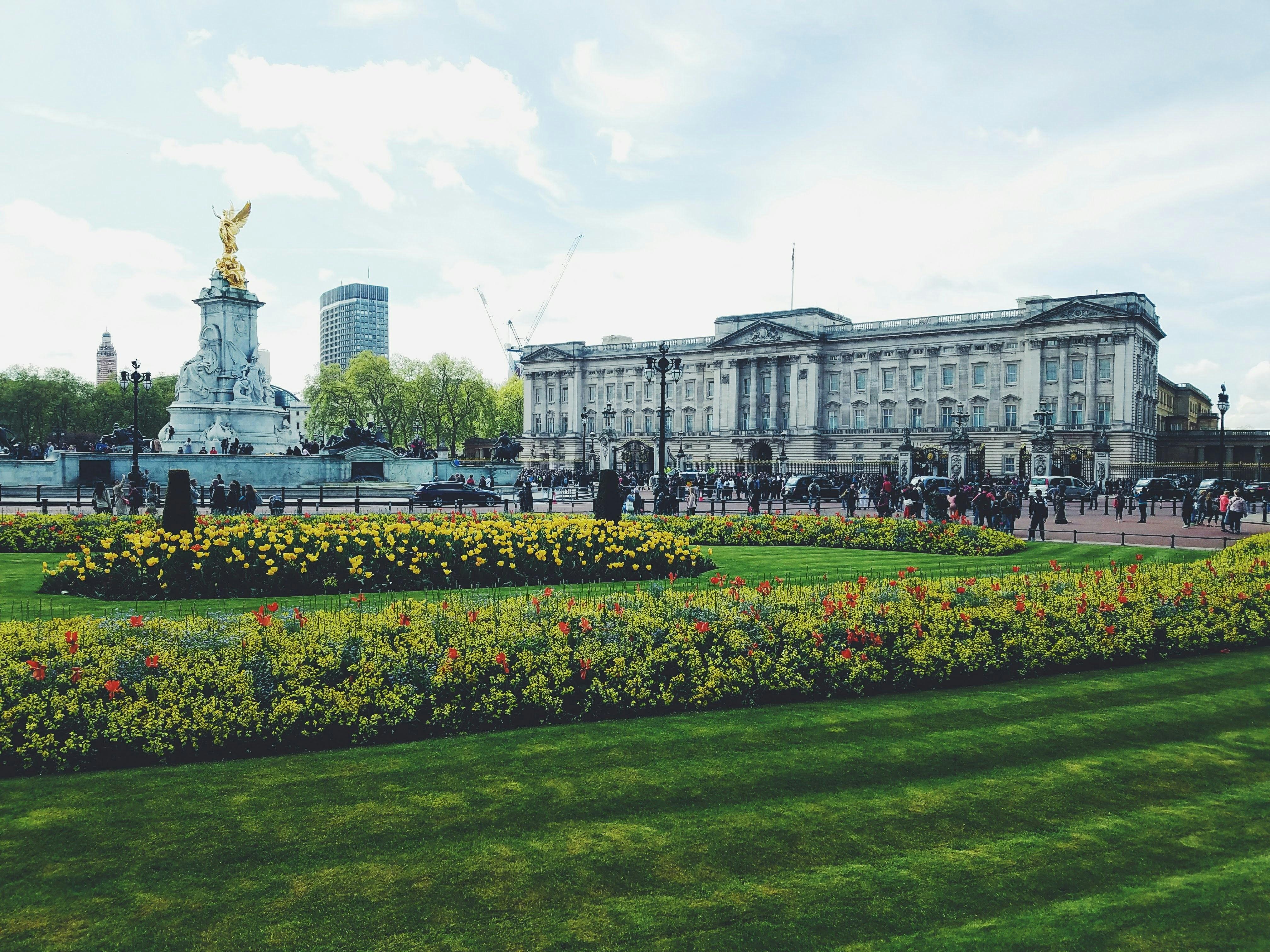
As you wander through the serene gardens surrounding the iconic residence, a tapestry of history unfolds before your eyes. The sprawling landscape is not merely a visual delight but a living chronicle of horticultural artistry and regal legacy. The Rose Garden, with its myriad of colors, is a testament to the meticulous planning and passion that has shaped these grounds. Meanwhile, the serene Lake mirrors the palace’s grandeur, offering a tranquil retreat for those who seek solace amidst the bustling cityscape.
- Sunken Garden: Originally designed in 1908, this hidden gem showcases an intricate arrangement of seasonal flowers.
- The Walled Garden: A secluded sanctuary where vegetables and herbs are grown, echoing the self-sustaining practices of the past.
- The Herbaceous Border: A vibrant display of perennials, it stands as a testament to the changing tastes and horticultural advancements over the centuries.
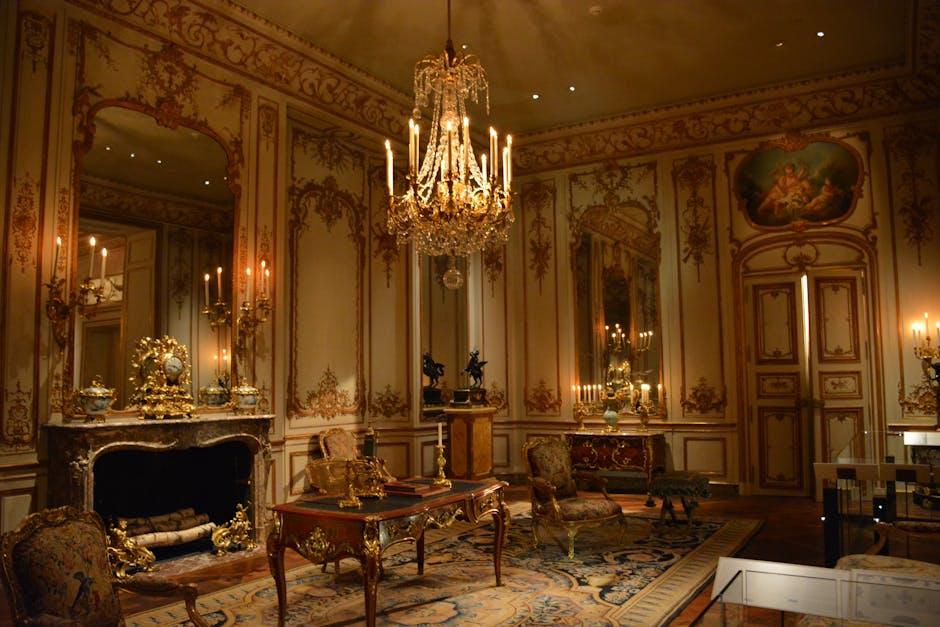
Within the palace walls, the treasures continue to astound. Artifacts, ranging from timeless paintings to exquisite sculptures, narrate stories of diplomacy, art, and cultural exchange. Each piece, meticulously curated, holds a piece of history, inviting visitors to delve deeper into the narrative woven by generations. The intricate clock collection and the opulent State Rooms further enhance the allure, offering glimpses into the craftsmanship and artistic excellence that define this royal abode.
Tips for an Enriching Visit to the Iconic Residence
Visiting Buckingham Palace, with its opulent rooms and rich history, can be an unforgettable experience. To ensure your visit is as enriching as possible, consider these helpful tips. Firstly, book your tickets in advance to avoid the long queues that often accompany this popular attraction. This allows you to make the most of your time inside the palace, exploring its stunning architecture and vast gardens.
Once inside, take advantage of the audio guides available, offering fascinating insights into the palace’s history and the lives of the royals who have called it home. For a deeper dive into the palace’s past, join a guided tour, where expert guides share captivating stories and lesser-known facts. Additionally, visit the Royal Mews to marvel at the historic carriages and horses, which are still used for ceremonial occasions. don’t forget to check out the changing of the guard ceremony, a quintessential British spectacle that brings history to life with its pageantry and precision.
- Book tickets online to avoid queues.
- Utilize the audio guides for detailed information.
- Consider a guided tour for expert insights.
- Explore the Royal Mews for an additional royal experience.
- Witness the changing of the guard for a taste of British tradition.
Key Takeaways
As we draw the curtains on our journey through the storied halls of Buckingham Palace, we find ourselves standing at the crossroads of past and present, where history whispers through gilded corridors and echoes in the footsteps of time. From its humble beginnings as a private townhouse to its transformation into the epicenter of British monarchy, the palace remains a living testament to centuries of change and tradition.
In exploring its history, we’ve not only traversed the architectural evolution of an iconic structure but also glimpsed the tapestry of events and personalities that have shaped its legacy. The palace, with its stately facade and resplendent rooms, continues to be a symbol of continuity amidst the ebb and flow of history.
As we close this chapter, Buckingham Palace stands as more than just a royal residence; it is a beacon of cultural heritage and a witness to the unfolding story of a nation. In the years to come, it will undoubtedly continue to inspire and intrigue, inviting future generations to delve into its rich and fascinating past.