
























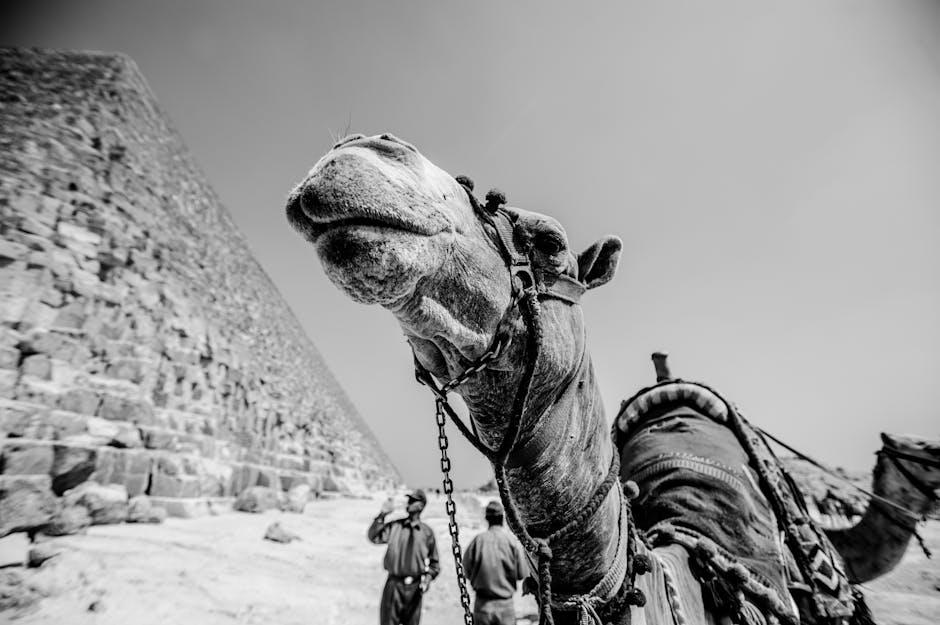
In the world of travel, where the allure of exotic destinations and unique experiences beckons adventurers from every corner, a contentious debate quietly simmers beneath the surface: the ethical implications of animal tourism. As travelers map out their itineraries, a growing awareness of the impact their choices have on local wildlife has sparked a crucial conversation. Should tourists, armed with curiosity and compassion, abstain from activities that exploit animals for entertainment? This question invites a deeper exploration into the complex interplay between cultural traditions, economic realities, and the moral responsibilities of global citizens. In this article, we delve into the multifaceted dimensions of animal tourism, seeking to unravel the layers of this intricate issue and provide insight into the choices that travelers face in their quest for responsible exploration.
Ethical Travel Choices and Animal Welfare
When contemplating whether to boycott activities involving animals, it’s crucial to assess the ethical implications of our travel choices. Animals used in tourism are often subjected to harsh training, inadequate living conditions, and a lack of freedom, all for the sake of entertainment. As travelers, we wield the power to influence change by choosing experiences that prioritize animal welfare. This might involve supporting sanctuaries that offer a safe haven for rescued animals or opting for wildlife tours that emphasize observation over interaction. By doing so, we encourage businesses to adopt ethical practices and contribute to a more compassionate travel industry.
- Research thoroughly: Understand the treatment of animals in any activity you consider participating in.
- Support ethical alternatives: Choose wildlife sanctuaries and rehabilitation centers that prioritize animal well-being.
- Educate others: Share your knowledge about ethical tourism with fellow travelers to raise awareness.
- Engage in wildlife conservation: Participate in activities that contribute to the preservation of natural habitats.
Making informed decisions not only enhances your travel experience but also aligns with a growing global movement towards responsible tourism. By opting for activities that respect and protect animal welfare, tourists can enjoy authentic interactions with nature without contributing to the exploitation of wildlife.

Understanding the Impact of Wildlife Tourism
Wildlife tourism holds the potential to be a powerful force for conservation, offering economic incentives to protect habitats and species. However, when not managed responsibly, it can lead to significant harm. Activities that prioritize tourist entertainment over animal welfare often result in stressful conditions for wildlife, leading to long-term health issues and behavioral changes. Captive animal interactions, such as elephant rides or swimming with dolphins, frequently involve training methods that are invasive or cruel, stripping these creatures of their natural behaviors and environments.
- Disruption of natural behaviors and routines
- Increased stress and health problems for animals
- Potential for physical harm during interactions
- Conservation funds being diverted from ethical practices
It’s essential to weigh the allure of such experiences against the potential ethical implications. Sustainable wildlife tourism focuses on minimizing human impact while maximizing educational and conservation benefits. By supporting initiatives that prioritize animal welfare and habitat preservation, tourists can contribute to a more ethical industry. This approach encourages a shift towards experiences that respect wildlife in their natural habitats, fostering genuine connections that benefit both visitors and the ecosystems they explore.

Recognizing Exploitative Practices in Tourist Activities
In the realm of global tourism, it’s crucial to develop an awareness of exploitative practices that often hide behind the allure of exotic experiences. Many tourists inadvertently participate in activities that cause harm to animals, under the guise of entertainment or cultural immersion. To make informed choices, consider the following aspects:
- Living Conditions: Animals are often kept in inadequate conditions that fail to meet their basic needs for space, social interaction, and mental stimulation.
- Training Methods: Many animals are subjected to harsh training techniques to perform tricks or interact with tourists in unnatural ways.
- Health and Welfare: The physical and mental well-being of these animals is frequently compromised, leading to a life of suffering.
By recognizing these signs, tourists can make ethical decisions that support sustainable and humane travel practices, ultimately fostering a more responsible tourism industry.

Guidelines for Responsible Wildlife Experiences
When engaging with wildlife, it’s crucial to ensure that experiences are both ethical and sustainable. Here are some key practices to consider:
- Research Thoroughly: Before participating in any wildlife-related activity, investigate the operator’s practices. Look for certifications from reputable conservation organizations and read reviews from other travelers.
- Prioritize Animal Welfare: Opt for experiences that prioritize the health and safety of animals. Avoid attractions where animals are kept in unnatural conditions or forced to perform for entertainment.
- Support Conservation Efforts: Choose tours that contribute to wildlife conservation and support local communities. This helps ensure that your visit has a positive impact on both the environment and the people who live there.
- Stay Informed: Educate yourself about the species you encounter and their natural behaviors. Understanding their needs and challenges can help foster a deeper appreciation and encourage responsible tourism.
By following these guidelines, tourists can enjoy meaningful wildlife experiences that contribute to the well-being of animals and their habitats, rather than exploiting them.
Insights and Conclusions
In the grand tapestry of travel, where every thread is woven with the colors of culture, adventure, and discovery, the question of animal exploitation stands as a stark reminder of our responsibility as global citizens. As we close this exploration into the ethics of tourism, we are left with a mosaic of perspectives and a call to action that transcends mere opinion. Whether you choose to abstain from activities that exploit animals or find ways to engage responsibly, the power of your decision reverberates far beyond the moment. It shapes the future of travel, the wellbeing of creatures great and small, and the legacy we leave for generations yet to wander this beautiful world. As you embark on your next journey, let this question linger like the final notes of a symphony: How will your choices today harmonize with the world of tomorrow?