






















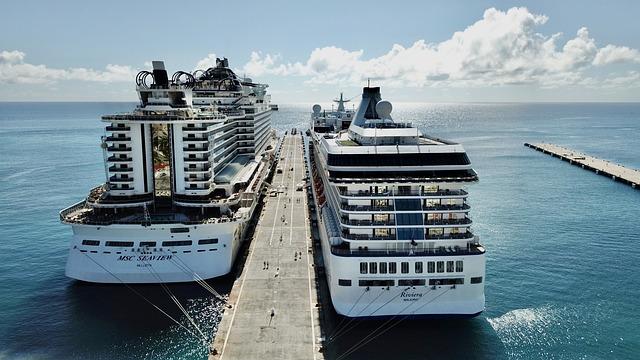
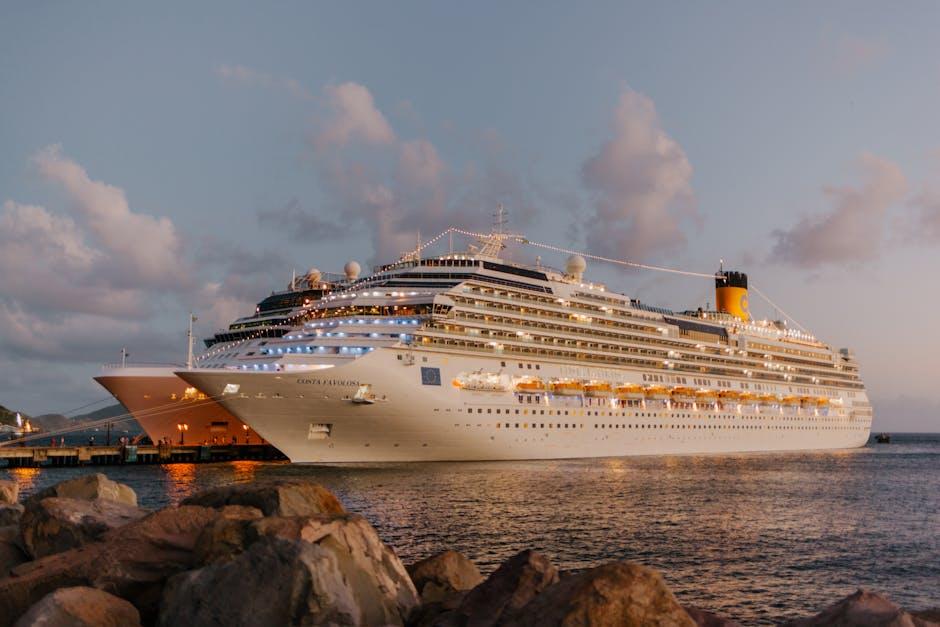
As dawn breaks over the serene waters of North America’s coastlines, the horizon often reveals the towering silhouettes of cruise ships approaching the bustling ports of coastal cities. These floating giants, with their gleaming exteriors and promises of adventure, bring with them a tide of economic opportunity and cultural exchange. Yet, beneath the allure of these maritime marvels lies a complex web of challenges and transformations. From the cobblestone streets of historic towns to the vibrant promenades of modern metropolises, the impact of cruise ships reverberates through the fabric of coastal communities. As we set sail on this exploration, we delve into the multifaceted relationship between these nautical behemoths and the North American cities that both embrace and grapple with their presence, navigating the delicate balance between prosperity and preservation.
Economic Tides: Weighing the Costs and Benefits to Local Economies
As cruise ships glide into the ports of North American coastal cities, they bring with them a wave of economic possibilities and challenges. On one hand, these floating behemoths are economic powerhouses, pumping revenue into local businesses. The influx of tourists means increased patronage for shops, restaurants, and tour operators, often leading to job creation and enhanced local infrastructure. In addition, cities may experience a boost in their global profile, attracting further tourism and investment.
However, the economic benefits come with their own set of challenges. Local economies may face strain from seasonal fluctuations in tourism, which can lead to economic instability. Additionally, there is the risk of over-dependence on cruise tourism, potentially stifling other sectors. The environmental costs, such as pollution and resource strain, often necessitate significant investments in sustainability measures, which can burden local budgets. To balance these factors, coastal cities must carefully weigh the short-term economic gains against long-term sustainability and economic diversification.
- Benefits: Increased local revenue, job creation, infrastructure improvement
- Challenges: Seasonal economic instability, over-dependence on tourism, environmental impact

Navigating Environmental Concerns: The Quest for Sustainable Tourism
As colossal floating cities, cruise ships bring a unique set of environmental challenges to the picturesque coastal cities of North America. While they undeniably contribute to the local economy by boosting tourism and creating jobs, the ecological footprint they leave behind is significant. From air pollution caused by heavy fuel oil consumption to the disruption of marine life, the effects are far-reaching. In coastal cities, the influx of thousands of passengers can overwhelm local resources, leading to increased waste generation and strained infrastructure. Balancing the economic benefits with the environmental costs remains a complex issue that demands innovative solutions.
- Air Pollution: Cruise ships emit large quantities of sulfur oxides and nitrogen oxides, contributing to poor air quality.
- Water Pollution: Discharge of untreated wastewater can damage marine ecosystems.
- Overtourism: The sudden influx of visitors can lead to overcrowding, affecting both local life and tourist experience.
- Wildlife Disruption: Noise pollution and physical presence can disturb local marine and coastal wildlife.
With these challenges in mind, the quest for sustainable tourism in North American coastal cities calls for a multi-pronged approach. Implementing stricter regulations on emissions, promoting cleaner technologies, and developing comprehensive waste management systems are essential steps. Additionally, fostering a collaborative relationship between cruise lines and local governments can lead to more sustainable tourism practices, ensuring these coastal gems are preserved for future generations.
Cultural Currents: Preserving Local Heritage Amidst Tourist Influx
As massive floating cities glide into picturesque harbors, North American coastal cities experience a vibrant blend of cultures, yet grapple with challenges in preserving their unique heritage. Cruise ships bring an influx of eager tourists, each seeking the charm and history these locales offer. However, the overwhelming number of visitors can strain local resources and overshadow the distinct cultural narratives that define these communities.
In response, many cities are adopting innovative strategies to safeguard their heritage:
- Community-led Tours: Local guides provide authentic experiences that emphasize regional stories and traditions, ensuring tourists gain a deeper understanding of the area’s cultural fabric.
- Controlled Visitor Numbers: By regulating the number of cruise ships docking simultaneously, cities can manage tourist flow and reduce pressure on cultural sites.
- Heritage Festivals: Annual events celebrating local customs, music, and art draw attention to the area’s unique identity and encourage sustainable tourism practices.
These initiatives highlight the delicate balance between welcoming global visitors and maintaining the integrity of local cultures, ensuring that both residents and tourists can appreciate the vibrant tapestry of coastal life.
Charting a New Course: Strategic Recommendations for Future Growth
To harness the potential benefits of cruise tourism while mitigating its adverse effects, coastal cities must adopt a strategic approach to growth. Community engagement should be at the forefront, ensuring that residents’ voices are heard and considered in decision-making processes. Collaborating with cruise lines to establish sustainable tourism practices is essential. This includes implementing measures to reduce environmental impacts, such as stricter regulations on waste management and encouraging the use of cleaner fuel alternatives.
Investment in infrastructure development can help alleviate congestion and improve the overall experience for both tourists and locals. Enhancing port facilities, expanding public transportation, and developing pedestrian-friendly areas are critical steps. Additionally, promoting off-peak travel and diversifying tourism offerings can help distribute visitor numbers more evenly throughout the year, reducing pressure on local resources. Cities should also explore partnerships with local businesses to ensure economic benefits are widespread, fostering a more resilient and inclusive economy.
Wrapping Up
As the sun sets on our exploration of the impact of cruise ships on North American coastal cities, it becomes clear that these floating giants are both a boon and a challenge. They bring with them the promise of economic prosperity, infusing local economies with the vibrancy of global tourism. Yet, they also cast long shadows, leaving environmental and social footprints that cannot be ignored.
Navigating these waters requires a delicate balance—a harmonious symphony where economic growth does not drown out the call for sustainability. Coastal cities, with their unique blend of culture, nature, and history, stand at a crossroads. They must chart a course that embraces innovation, fosters dialogue, and champions sustainable practices.
the story of cruise ships and coastal cities is a tale of interconnected destinies, where the tides of change can bring both opportunity and challenge. As we disembark from this journey, we are reminded that the future of these cities depends on the choices we make today—choices that will shape the legacy of our shores for generations to come.