
















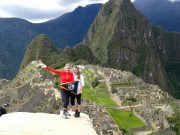






In a world where the allure of travel beckons millions to explore far-flung corners of the globe, the phenomenon of Machu Picchu“>overtourism has emerged as a pressing concern. As travelers flock to iconic landmarks, these cherished sites are increasingly at risk of being loved to death. The majestic ruins of Machu Picchu, the serene canals of Venice, and the ancient corridors of the Great Wall of China—each has witnessed an unprecedented surge in visitors, leaving behind footprints that threaten to erode their very essence. In this exploration, we delve into the delicate balance between wanderlust and preservation, examining whether the rising tide of tourism is gradually chipping away at the soul of these cultural and natural treasures. Join us as we navigate the complexities of overtourism, seeking to understand its impact and ponder the path forward for these timeless landmarks.
The Impact of Crowds on Cultural Heritage Sites
The delicate balance between preserving cultural heritage sites and accommodating eager visitors has become increasingly strained. Overtourism is a pressing concern, as iconic landmarks face threats not just from natural elements but from the very people who cherish them. The constant influx of tourists can lead to physical wear and tear on structures that were not designed to handle such large numbers. This can result in:
- Erosion and damage to ancient stonework and fragile artifacts
- Increased pollution and littering, which tarnish the beauty and sanctity of these sites
- Overcrowding, which diminishes the visitor experience and can overwhelm local communities
Moreover, the cultural integrity of these landmarks can suffer as they become commodified to cater to tourist demands. Traditional practices and local ways of life might be altered or even lost in the race to attract more visitors. As we continue to celebrate global heritage, it is imperative to find sustainable solutions that allow us to enjoy these treasures without compromising their future.

Balancing Tourism and Preservation for Future Generations
As the world becomes more connected, once remote and pristine locations are now bustling with visitors eager to experience their beauty. This surge in tourism, while economically beneficial, often comes at a cost to the very essence of these landmarks. Maintaining a balance between welcoming tourists and preserving natural and cultural heritage is crucial for ensuring these sites remain intact for future generations.
- Infrastructure Strain: Increased foot traffic can lead to wear and tear on infrastructure, necessitating costly repairs and maintenance.
- Environmental Impact: The influx of tourists can disrupt local ecosystems, leading to issues such as pollution and habitat destruction.
- Cultural Erosion: Over-commercialization of sites can dilute local culture, transforming unique traditions into mere attractions.
Implementing sustainable tourism practices, such as visitor caps and promoting off-peak travel, can help alleviate some of these pressures. Education and awareness are also key, encouraging tourists to appreciate and respect the environments they visit. Ultimately, preserving the integrity of these iconic landmarks requires a collaborative effort between governments, local communities, and tourists themselves.
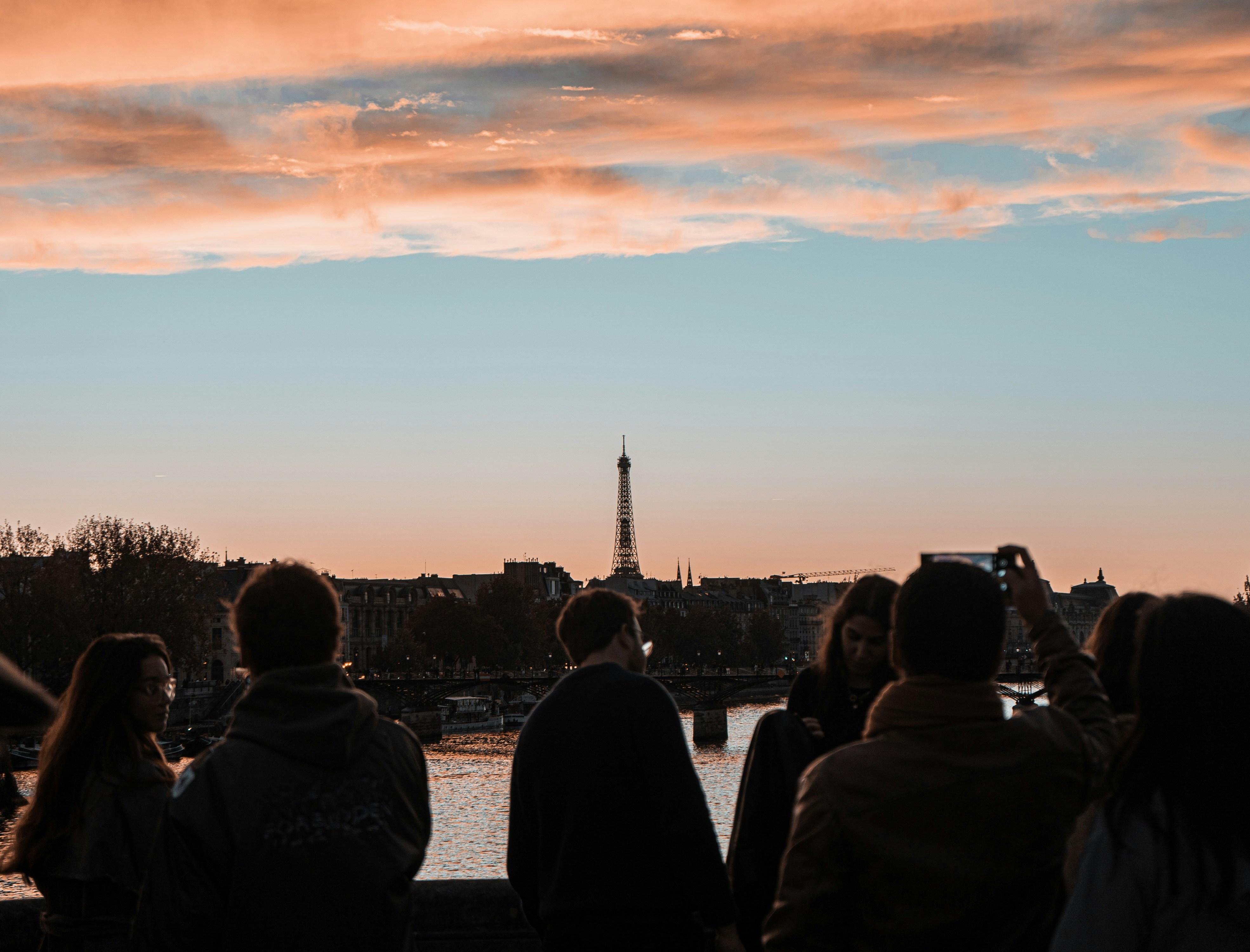
Strategies for Sustainable Visitor Management
To address the challenges of overtourism, innovative approaches to managing visitor flows can play a crucial role. One effective strategy is the implementation of timed entry systems, where visitors book specific time slots in advance, reducing congestion and allowing for a more pleasant experience. By staggering entry times, iconic landmarks can maintain a steady flow of visitors without overwhelming the site. Additionally, employing dynamic pricing models that adjust ticket prices based on demand can incentivize visits during off-peak times, further alleviating pressure during high-demand periods.
- Capacity Limits: Setting daily visitor caps to preserve the integrity of the site.
- Local Engagement: Involving local communities in the management process to ensure that tourism benefits are widely distributed.
- Educational Campaigns: Raising awareness among tourists about the impact of their visits and promoting sustainable practices.
- Technology Integration: Utilizing apps and digital platforms to provide real-time updates on crowd levels and alternative routes.

Engaging Local Communities in Tourism Solutions
To address the pressing challenges of overtourism, it is essential to empower local communities to actively participate in creating sustainable tourism strategies. By doing so, we not only protect iconic landmarks but also enrich the visitor experience. Engaging local communities can take various forms, such as:
- Community-led tours: Local guides can offer unique insights and stories, providing tourists with a deeper understanding of the area’s cultural heritage.
- Local artisan markets: Encouraging tourists to purchase locally made crafts and goods can help stimulate the local economy while promoting cultural appreciation.
- Participatory planning: Involving community members in tourism planning ensures that their voices are heard, and their needs are met, leading to more balanced and sustainable solutions.
Through these initiatives, local communities become stewards of their heritage, ensuring that tourism benefits both visitors and residents alike.
Insights and Conclusions
As the sun sets on our exploration of overtourism and its impact on iconic landmarks, we find ourselves at a crossroads where preservation meets curiosity. These beloved sites, etched into the collective consciousness of our world, beckon travelers with their timeless allure. Yet, the very footprints that bring them to life threaten their future.
In this delicate dance, the question remains: How do we balance the irresistible pull of wanderlust with the pressing need for preservation? As stewards of these wonders, the responsibility rests with us all—travelers, locals, and policymakers alike—to chart a course that honors both heritage and exploration.
Perhaps the answer lies not in retreat but in reimagining our relationship with these landmarks. By embracing sustainable practices, supporting local communities, and fostering a culture of respect and mindfulness, we can ensure that these icons continue to inspire for generations to come. In doing so, we preserve not just the sites themselves, but the stories they tell and the dreams they inspire.
As we close the book on this chapter, let us carry forward the hope that our shared journey will lead to a future where the marvels of our world are cherished, not consumed, and where the echoes of our adventures harmonize with the whispers of history.