











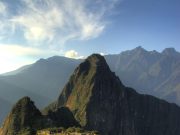



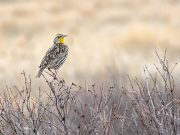



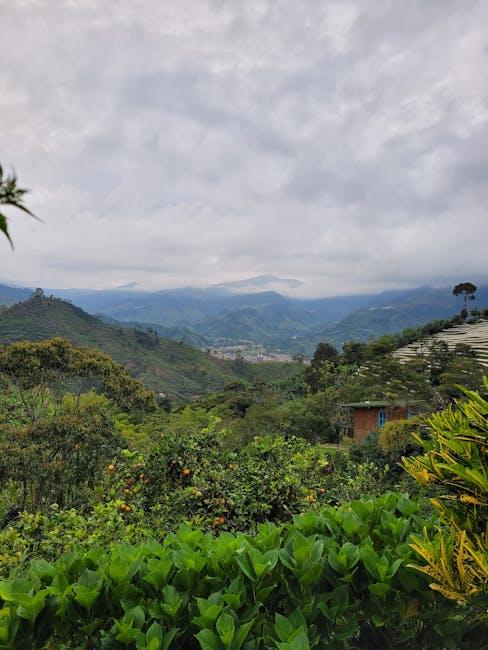
Nestled between the vast Atlantic Ocean and the towering peaks of the Andes, South America is a continent brimming with ecological wonders and biological marvels. Its landscapes, stretching from the Amazon rainforest to the Patagonian steppes, are home to a dazzling array of flora and fauna found nowhere else on Earth. In this article, we embark on a journey through these vibrant ecosystems, where ancient trees whisper secrets of time and exotic creatures roam freely, weaving a rich tapestry of life. From the brilliantly colored macaws that dance through the canopy to the rare orchids that bloom in the shadowed understory, South America’s natural world is a testament to the planet’s boundless creativity. Join us as we explore the unique biodiversity that makes this continent a living laboratory of evolution and a sanctuary for countless species, each with its own story to tell.
Amazonian Wonders Hidden Biodiversity in the Worlds Lungs
The Amazon Rainforest, often referred to as the “world’s lungs,” is a vibrant tapestry of life, teeming with extraordinary species that are yet to be fully explored. This lush expanse of green holds secrets that continue to astonish scientists and nature enthusiasts alike. Within its dense canopy, one can find a myriad of plant species, each with unique characteristics and roles in the ecosystem. From the towering Kapok trees that reach for the sky to the humble yet resilient orchids clinging to branches, the flora here is nothing short of miraculous. Many of these plants are not only visually stunning but also possess medicinal properties that have been utilized by indigenous cultures for centuries.
In addition to its rich plant life, the Amazon is a sanctuary for a dazzling array of wildlife. Among its inhabitants are species that are found nowhere else on Earth, such as the elusive pink river dolphin and the colorful poison dart frogs. The forest’s dense undergrowth and winding waterways provide the perfect habitat for these creatures to thrive. Visitors may also encounter the playful antics of capuchin monkeys or witness the majestic flight of the harpy eagle, one of the largest and most powerful birds of prey. The Amazon is a living laboratory, a place where biodiversity is not just a concept but a breathtaking reality.
- Unique plant species with medicinal properties
- Home to the pink river dolphin and poison dart frogs
- Habitat for capuchin monkeys and harpy eagles
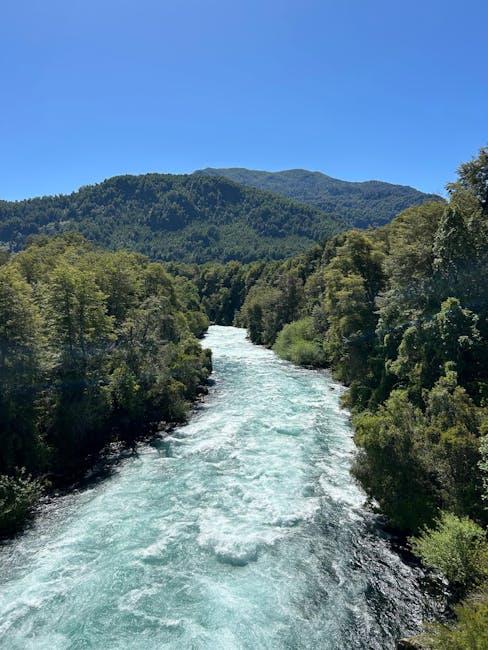
Andean Altitudes Flora and Fauna Thriving in Thin Air
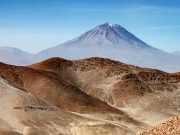
In the majestic Andean highlands, life perseveres against the odds, showcasing a tapestry of resilience and adaptation. The thin air and harsh conditions give rise to a unique ecosystem where both flora and fauna have evolved extraordinary traits to thrive. Here, Puya raimondii, the queen of the Andes, stands tall, boasting the largest inflorescence in the world, while the Polylepis trees cling tenaciously to life at altitudes where few others dare. These remarkable plants create a sanctuary for an array of wildlife that has adapted to the sparse oxygen levels.
- Vicuñas: These graceful relatives of the llama have developed a thick, insulating coat to withstand the cold, thin air.
- Andean Condor: With a wingspan of over 3 meters, this bird masters the skies, gliding effortlessly on thermals high above the rugged terrain.
- Mountain Tapir: Rare and elusive, these creatures play a crucial role in maintaining the biodiversity of their high-altitude habitat.
From the vibrant chuquiraga flowers that attract hummingbirds to the hardy Andean fox prowling the rocky slopes, each species contributes to the delicate balance of life in these heights. Together, they weave a narrative of survival and interdependence, a testament to nature’s tenacity and ingenuity.
Patagonian Secrets Unraveling the Mysteries of Southern Wilderness
In the heart of South America’s southernmost reaches, a realm of unparalleled biodiversity awaits. The Patagonian wilderness, stretching across Argentina and Chile, is a natural sanctuary for a myriad of unique species. Among the sprawling landscapes, Guanacos roam freely, their graceful forms a striking contrast against the rugged terrain. These relatives of the llama are often spotted in herds, their keen eyes ever-watchful for predators like the elusive Andean Puma. As you wander through this vast expanse, the flutter of the Magellanic Woodpecker might catch your eye, its striking red crest a vivid splash against the backdrop of ancient forests.
- Flora Highlights: The resilient Southern Beech Trees dominate the woodlands, their twisted branches creating a canopy that shelters an undergrowth rich with mosses and ferns.
- Fauna Highlights: In the coastal regions, the playful antics of the Southern Elephant Seals captivate visitors, while the skies are patrolled by the majestic Andean Condor, its wingspan casting a formidable shadow on the ground below.
- Conservation Efforts: Numerous reserves and national parks are dedicated to preserving this pristine wilderness, ensuring that its ecological treasures remain untouched for future generations.
The delicate balance of this ecosystem is a testament to nature’s resilience and adaptability. Exploring Patagonia is akin to stepping into a living, breathing tapestry where every element plays a vital role in the grand design of life.
Galápagos Discoveries Insights into Evolutionary Marvels
In the heart of the Pacific Ocean, the Galápagos Islands serve as a living laboratory for scientists and nature enthusiasts alike, offering unparalleled insights into the mysteries of evolution. These volcanic islands are a testament to the unique flora and fauna that have adapted over millennia, painting a vivid picture of life’s remarkable ability to thrive in isolation. The Galápagos is home to species that exist nowhere else on Earth, such as the famed giant tortoises and the captivating marine iguanas. These creatures have evolved distinct characteristics that provide clues into the evolutionary processes that shape life across our planet.
- Giant Tortoises: These gentle giants can weigh up to 550 pounds and live for over a century, embodying resilience and adaptability.
- Marine Iguanas: The only sea-going lizards in the world, they have adapted to forage in the ocean, a remarkable evolutionary feat.
- Darwin’s Finches: Often cited as a classic example of adaptive radiation, these birds have evolved various beak shapes to exploit different food sources.
- Blue-footed Boobies: Known for their striking blue feet, these birds engage in elaborate courtship dances that captivate observers.
Each species contributes to the intricate tapestry of life on these islands, offering a microcosm of evolutionary dynamics. As researchers continue to study these ecosystems, they uncover not only the history of the islands but also broader principles of adaptation and survival. The Galápagos Islands remind us of the delicate balance of nature and the endless wonders that await discovery.
In Retrospect
As our journey through the vibrant tapestry of South America’s unique flora and fauna comes to a close, we are left with a profound appreciation for the continent’s unparalleled biodiversity. From the towering canopies of the Amazon rainforest to the windswept plains of Patagonia, South America is a living gallery of nature’s most extraordinary creations. Each species, whether it be the elusive jaguar or the delicate orchid, tells a story of adaptation and survival in one of the planet’s most diverse ecosystems.
While our exploration ends here, the wonders of South America’s natural world continue to unfold, beckoning curious minds and adventurous spirits to delve deeper. It is a reminder of the intricate connections that bind us all to the natural world, urging us to protect these treasures for generations to come. As stewards of this planet, may we continue to explore, understand, and cherish the rich biodiversity that South America so generously offers.