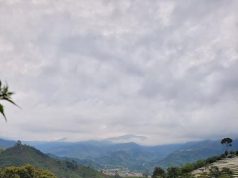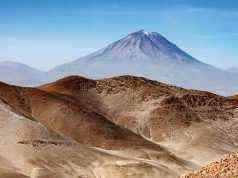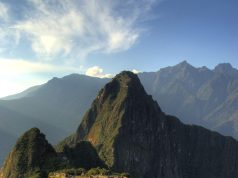






















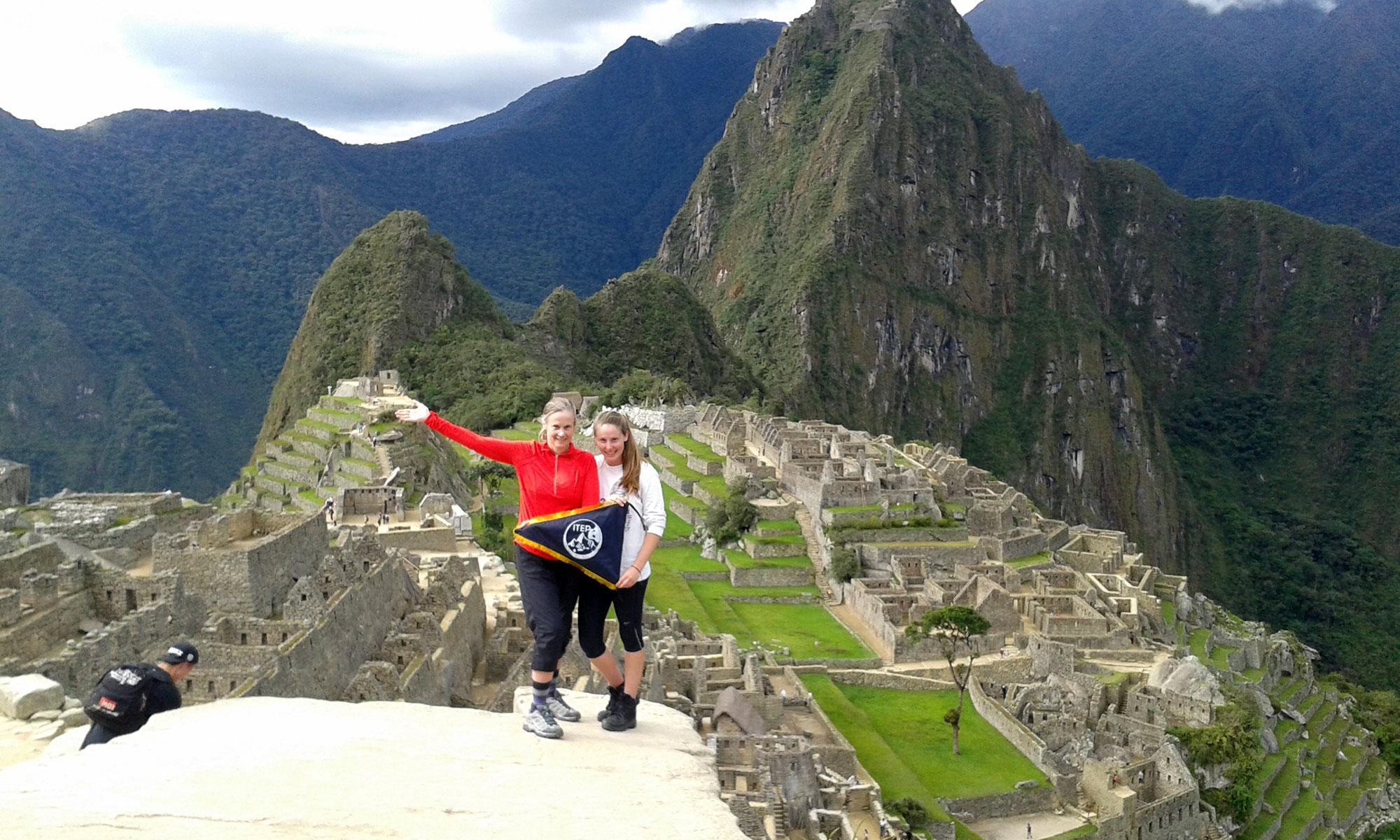
Nestled high in the Andes, shrouded in the mists of history and legend, the Sacred Inca Trails weave through the heart of a civilization that once thrived in harmony with the rugged landscape. These ancient paths, etched into the mountains, lead adventurers through breathtaking vistas and a journey back in time. Yet, as the footsteps of modern tourists echo along these storied routes, a complex dialogue emerges: Should these sacred trails remain open to all who seek their wonders, or should their sanctity be preserved, untouched by the relentless march of tourism? This article delves into the multifaceted debate surrounding the accessibility of the Sacred Inca Trails, exploring the delicate balance between cultural preservation, environmental stewardship, and the allure of adventure that draws thousands to their mystic embrace each year. Join us as we navigate the intersecting paths of heritage and tourism, where every step carries the weight of history and the promise of the future.
Balancing Heritage Preservation and Tourism
The allure of the Inca Trails lies in their breathtaking vistas and rich historical significance, yet the debate over whether tourists should be allowed to climb them underscores a delicate balance between heritage preservation and tourism. While the trails offer a unique glimpse into the past, unchecked tourism can lead to erosion, litter, and irreversible damage to these ancient pathways. Protecting the cultural integrity of these sacred sites is crucial for maintaining their historical narrative and spiritual significance.
On the other hand, tourism plays a vital role in the local economy, providing jobs and funding for conservation efforts. To address these competing interests, some measures can be considered:
- Implementing visitor quotas to control the number of tourists.
- Promoting alternative routes to disperse foot traffic.
- Educating visitors on the cultural importance of the trails.
- Investing in sustainable infrastructure to minimize environmental impact.
Balancing these interests requires a nuanced approach that respects both the cultural heritage of the Inca Trails and the economic benefits that tourism brings to the local communities.
Understanding the Cultural Significance of the Inca Trails
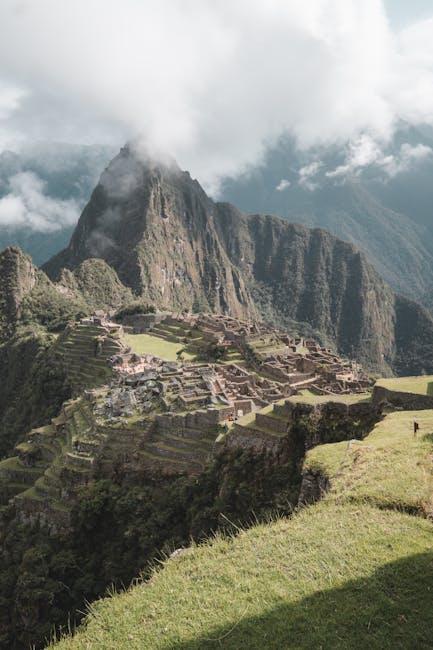
The Inca Trails are not merely a series of hiking paths through the Andes; they are a tapestry of history, spirituality, and tradition woven together over centuries. These ancient routes, once traversed by messengers and pilgrims, offer a glimpse into the sophisticated world of the Inca civilization. The trails connect to the heart of the empire, Machu Picchu, and other significant archaeological sites, serving as a living museum of Incan engineering and culture.
The cultural significance of these trails can be understood through several lenses:
- Spiritual Pathways: The trails are believed to be spiritual pathways leading to sacred sites, embodying the Incas’ profound connection with nature and the cosmos.
- Historical Narratives: Each step on the trail tells stories of the Inca Empire’s rise and fall, reflecting the societal and political dynamics of the time.
- Cultural Heritage: The preservation of these trails is vital for maintaining the cultural identity and heritage of indigenous communities, who view them as a link to their ancestors.

Environmental Impact: Protecting the Ecosystem
Preserving the delicate balance of nature is paramount when considering the impact of tourism on the Inca Trails. The rich biodiversity and unique ecosystems in these regions are under constant threat from increased foot traffic and human activity. Wildlife habitats risk being disrupted, leading to potential changes in species behavior and composition. Moreover, the vegetation along these trails, often home to rare and endemic species, faces the risk of trampling and soil erosion. This degradation not only threatens the natural beauty but also the very ecological fabric that sustains life in these high-altitude environments.
- Soil Erosion: Continuous hiking can lead to severe soil erosion, destabilizing the trails and surrounding land.
- Waste Management: Improper disposal of waste by tourists can contaminate water sources and land.
- Flora and Fauna Disruption: The presence of humans can disturb local wildlife and damage fragile plant life.
Implementing stringent measures, such as limiting the number of visitors and enforcing strict environmental guidelines, can help mitigate these impacts. These steps are crucial in ensuring that the natural and cultural heritage of the Inca Trails is preserved for future generations, while also maintaining the ecological integrity of the region.
Crafting Responsible Tourism Policies for Sacred Sites
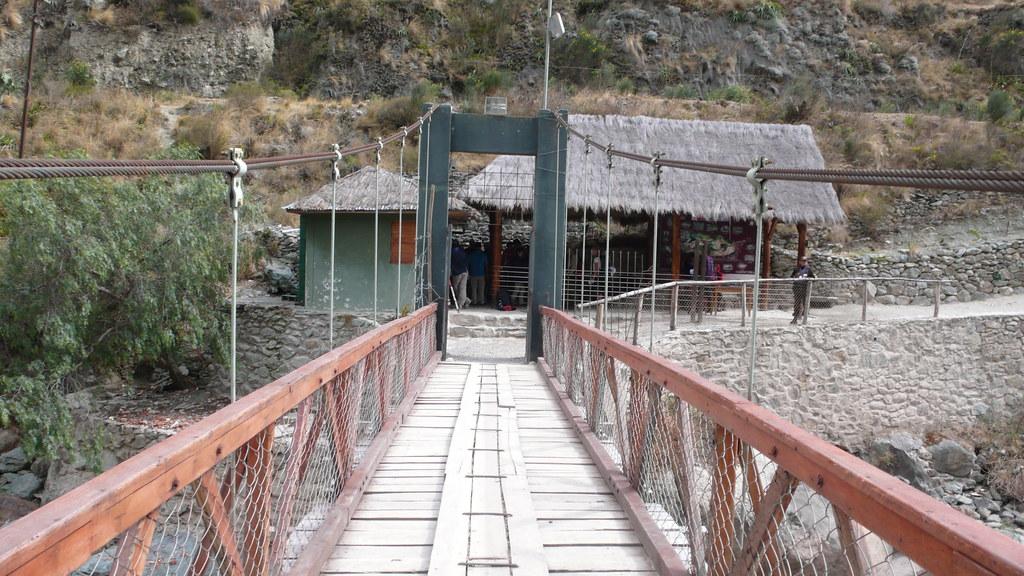
The delicate balance between preserving cultural heritage and promoting tourism is particularly crucial when it comes to sacred sites like the Inca Trails. Allowing tourists to climb these ancient paths raises questions about respect for indigenous beliefs, environmental sustainability, and economic impact. Responsible tourism policies should focus on fostering an understanding of the cultural significance of the trails, ensuring that tourists not only enjoy the breathtaking views but also appreciate the spiritual and historical importance of these routes.
To craft effective policies, consider the following approaches:
- Limit Visitor Numbers: Implementing a cap on daily visitors can help mitigate the impact on the trails and surrounding environment.
- Educational Programs: Providing tourists with information about the cultural and spiritual importance of the Inca Trails can foster respect and understanding.
- Community Involvement: Engage local communities in the decision-making process to ensure that their voices and traditions are respected and preserved.
- Sustainable Practices: Encourage eco-friendly practices among tourists and operators to minimize environmental damage.
Balancing these considerations can help ensure that the Inca Trails remain a place of reverence and wonder for generations to come.
In Summary
As the sun sets over the ancient peaks of the Andes, the question of whether tourists should be allowed to climb the sacred Inca Trails remains as complex and multifaceted as the paths themselves. Like the intricate stonework of Machu Picchu, this debate is a tapestry woven with threads of cultural preservation, economic necessity, and the timeless human urge to explore. The trails, with their whispers of history and echoes of the past, call to adventurers and pilgrims alike, each footfall a dialogue between the ancient and the modern. Whether the future sees these paths opened widely or tread more cautiously, it is clear that the journey will require respect, understanding, and a shared commitment to preserving the spirit of the Inca legacy. As we ponder this path forward, may we tread thoughtfully, guided by the wisdom of those who walked before us and mindful of those who will follow in our footsteps.