
























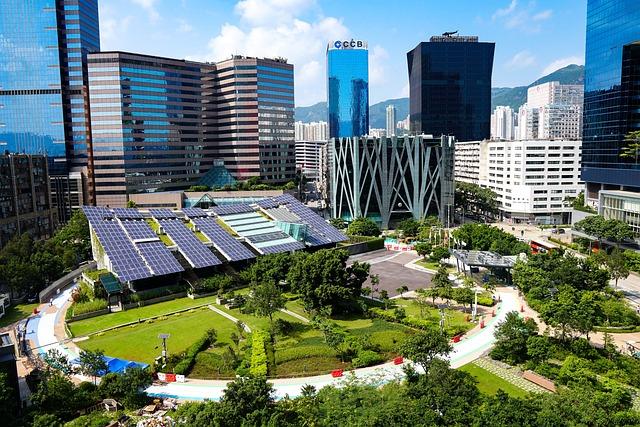
In the eternal city of Rome, where ancient ruins whisper tales of history and bustling piazzas hum with the vibrancy of modern life, a new narrative is emerging—one that seeks to harmonize the past with the future. As the cobblestone streets bear the weight of millions of visitors each year, the question arises: can the allure of sustainable tourism find its place amidst the grandeur of the Colosseum and the serenity of the Vatican? In this exploration, we delve into the complexities and possibilities of achieving sustainable tourism in Rome, examining how this iconic city might balance its rich heritage with the pressing need for environmental stewardship. Join us as we journey through the heart of Rome, uncovering the challenges and opportunities that lie in creating a tourism model that honors both its timeless charm and the planet we call home.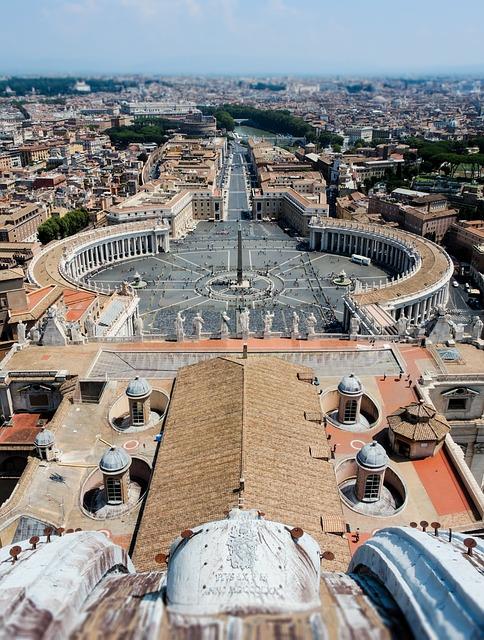
Exploring the Balance Between Tourism and Preservation in Rome
In the Eternal City, the allure of ancient ruins, vibrant culture, and mouth-watering cuisine draws millions of visitors each year. However, this influx of tourists poses a significant challenge: maintaining a delicate balance between economic benefits and the preservation of Rome’s rich historical and cultural heritage. Sustainable tourism in such a bustling metropolis is not just an aspiration but a necessity to ensure the city’s legacy endures for future generations. Key strategies in achieving this balance include:
- Promoting Off-Peak Visits: Encouraging tourists to visit during less busy seasons can alleviate pressure on popular sites and spread economic benefits throughout the year.
- Supporting Local Businesses: By choosing local over global chains, visitors can help sustain the city’s economy while preserving its unique character.
- Enhancing Infrastructure: Investments in sustainable public transport and waste management systems can reduce the environmental impact of tourism.
Implementing these measures requires a collaborative effort from local authorities, businesses, and travelers alike. With a focus on sustainability, Rome can continue to welcome the world while safeguarding its invaluable treasures.
Innovative Practices for Eco-Friendly Travel in Urban Destinations
In the bustling heart of urban centers, where ancient history meets modern innovation, sustainable tourism is more than a trend—it’s a necessity. Rome, with its intricate tapestry of historical sites and vibrant culture, offers a unique backdrop for pioneering eco-friendly travel practices. As travelers increasingly seek ways to minimize their environmental impact, cities like Rome are embracing a variety of innovative strategies. From the adoption of green transportation options, such as electric buses and bike-sharing programs, to the promotion of sustainable accommodations that prioritize energy efficiency and waste reduction, urban destinations are reimagining the tourism experience.
Travelers can contribute to this eco-conscious movement by:
- Opting for public transportation or walking tours to explore the city’s landmarks.
- Choosing accommodations that implement green certifications or sustainable practices.
- Supporting local businesses that focus on environmentally friendly products and services.
- Participating in community-led conservation projects or eco-tours.
By weaving these practices into the fabric of city exploration, both tourists and local communities can enjoy a more sustainable and enriching travel experience.
Engaging Local Communities in Sustainable Tourism Efforts
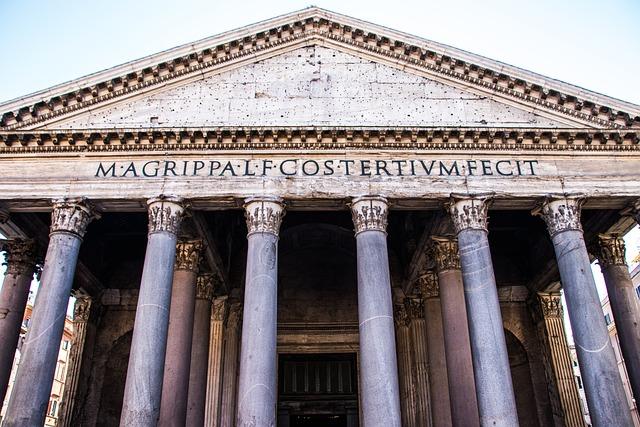
For popular cities like Rome, engaging local communities in sustainable tourism can be a transformative approach to preserving cultural heritage and ensuring long-term economic viability. Local residents play a crucial role in this endeavor, as their intimate knowledge of the area and its unique traditions can offer tourists an enriched experience. By involving locals in the planning and execution of tourism initiatives, cities can foster a sense of ownership and pride among residents. This can be achieved through community workshops, partnerships with local businesses, and the promotion of authentic experiences that highlight the city’s true character.
- Empowering local artisans: Encouraging tourists to buy locally-made crafts not only supports the economy but also preserves traditional skills.
- Community-led tours: Offering guided tours led by residents provides visitors with an insider’s perspective and supports local employment.
- Eco-friendly accommodations: Supporting local eco-lodges and green-certified hotels reduces the environmental impact of tourism.

Crafting Policies for Long-Term Environmental and Cultural Resilience
In the quest for sustainable tourism, the formulation of comprehensive policies is pivotal. Environmental resilience should be at the core of these strategies, focusing on reducing the ecological footprint of tourists and preserving natural landscapes. Key approaches might include:
- Implementing stricter regulations on waste management and carbon emissions.
- Encouraging the use of renewable energy sources in hospitality sectors.
- Promoting sustainable transportation options for tourists.
Equally crucial is the protection of cultural heritage. Cultural resilience involves safeguarding the authenticity of local traditions while fostering economic benefits for local communities. Policy frameworks could emphasize:
- Supporting local artisans and traditional crafts through tourism initiatives.
- Establishing cultural preservation zones with restricted access to sensitive sites.
- Educating tourists on the cultural significance of their destinations.
In Retrospect
As the sun sets over the ancient ruins of Rome, casting long shadows on cobblestone streets that have borne witness to centuries of change, the question lingers in the air: Is sustainable tourism truly achievable in this eternal city? Like a complex mosaic, the answer is multifaceted, requiring a delicate balance between preserving cultural heritage and embracing modern innovation. It calls for the harmonious collaboration of travelers, local communities, and policymakers, all striving to ensure that the allure of Rome remains undiminished for generations to come. As we navigate this intricate dance, one thing is clear: the journey toward sustainable tourism is not a destination but an ongoing odyssey. And perhaps, just as Rome wasn’t built in a day, the path to sustainable tourism will require time, patience, and a shared commitment to safeguarding the wonders of our world. So, let us embark on this endeavor with open minds and hopeful hearts, ready to redefine what it means to wander wisely through the annals of history.