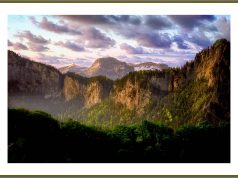

























In the shadow of the snow-capped Alps and the verdant valleys of Western Europe, a new kind of traveler is emerging—one that seeks thrills over tranquility, adventure over repose. Adventure tourism, with its promise of adrenaline-fueled escapades, has taken the region by storm, drawing millions to its rugged landscapes and pristine wildernesses. Yet, as these adventurers carve new paths through ancient forests and scale untouched peaks, a pressing question arises: Is the very nature they seek to celebrate and explore being irrevocably altered by their presence? This article delves into the intricate dance between the burgeoning adventure tourism industry and the delicate ecosystems of Western Europe, exploring whether this quest for exhilaration is leaving an indelible mark on the environment. As we journey through this complex narrative, we aim to uncover the true impact of adventure tourism on the region’s natural world, weighing the benefits of economic growth and cultural exchange against the potential cost to biodiversity and ecological balance.
Adventure Tourisms Impact on Western Europes Natural Habitats
The rise of adventure tourism in Western Europe has brought both economic benefits and environmental challenges. With tourists increasingly seeking experiences in untouched natural settings, the demand for activities such as hiking, rock climbing, and river rafting has surged. While these activities foster an appreciation for nature, they also risk disrupting delicate ecosystems. Trampling of vegetation, disturbance of wildlife, and pollution from increased human presence are becoming significant concerns. The allure of breathtaking landscapes has led to overuse, leaving trails eroded and habitats fragmented.
Moreover, adventure tourism’s impact is felt through the infrastructure required to support it. The construction of new trails, campsites, and roads often leads to habitat loss and changes in land use. These developments can introduce non-native species and disrupt local flora and fauna. To mitigate these effects, some regions are adopting sustainable practices, such as:
- Implementing visitor limits during peak seasons
- Promoting eco-friendly accommodations
- Encouraging educational programs to raise awareness among tourists
Balancing the desire for adventure with the need to protect natural habitats is crucial. By prioritizing sustainability, Western Europe can continue to offer thrilling experiences while preserving its precious ecosystems for future generations.
Balancing Thrill-Seeking with Environmental Preservation
As adventure tourism continues to flourish across Western Europe, the need to strike a delicate balance between excitement and ecological responsibility becomes ever more pressing. The thrill of scaling rugged mountain peaks, navigating treacherous river rapids, and exploring remote wilderness trails draws thousands of adventurers each year. However, this burgeoning industry also poses significant challenges to the fragile ecosystems that host these activities. While the demand for adrenaline-pumping experiences is undeniable, the environmental impact of increased foot traffic, waste generation, and habitat disruption must be acknowledged and addressed. Conservationists and tour operators are increasingly collaborating to develop strategies that ensure these natural landscapes are preserved for future generations.
- Implementing sustainable tourism practices, such as limiting visitor numbers and promoting eco-friendly accommodations, can mitigate some of the negative effects.
- Engaging local communities in conservation efforts not only helps protect the environment but also empowers residents economically.
- Education and awareness campaigns aimed at tourists can foster a culture of respect and responsibility towards nature.
Ultimately, the key lies in finding innovative ways to harmonize the human desire for adventure with the imperative of preserving the natural world. By doing so, adventure tourism can evolve into a model of sustainable exploration that celebrates the beauty of Western Europe’s ecosystems without compromising their integrity.

Sustainable Practices for Adventure Tourism Operators
In the face of growing concerns about the environmental impact of adventure tourism, operators across Western Europe are increasingly embracing sustainable practices to protect the region’s delicate ecosystems. These practices are not only essential for preserving natural landscapes but also for ensuring the long-term viability of the tourism industry. By adopting a holistic approach, adventure tourism operators can balance the thrill of exploration with ecological responsibility.
- Eco-friendly transportation: Many operators are investing in electric or hybrid vehicles to reduce carbon emissions. Additionally, promoting cycling, walking tours, and the use of public transport helps minimize the carbon footprint.
- Waste management: Implementing strict waste reduction and recycling policies is crucial. Operators are encouraged to use biodegradable materials and discourage single-use plastics to keep natural areas pristine.
- Conservation partnerships: Collaborating with local conservation groups ensures that tourism activities support habitat preservation and biodiversity protection. Operators often engage in initiatives like tree planting and wildlife monitoring.
- Community engagement: By involving local communities in tourism operations, operators not only create economic opportunities but also foster a sense of stewardship for the environment.
By integrating these sustainable practices, adventure tourism operators can lead by example, demonstrating that exhilarating experiences in nature can coexist with the imperative of environmental stewardship.

Guidelines for Eco-Conscious Travelers in Western Europe
As adventure tourism continues to gain momentum in Western Europe, it’s essential for travelers to adopt eco-conscious practices to mitigate their environmental impact. Here are some guidelines to help preserve the region’s stunning ecosystems:
- Travel Responsibly: Opt for public transport or carpooling to reduce carbon emissions. Consider eco-friendly accommodation that implements sustainable practices.
- Respect Local Wildlife: Maintain a safe distance from animals and avoid feeding them. Stick to designated trails to minimize habitat disturbance.
- Support Local Economies: Purchase locally-sourced goods and services. This not only boosts the local economy but also reduces the carbon footprint associated with transporting goods.
- Minimize Waste: Carry reusable water bottles, bags, and utensils. Properly dispose of waste and participate in local clean-up efforts when possible.
By embracing these practices, travelers can enjoy their adventures while ensuring that the natural beauty and biodiversity of Western Europe remain intact for future generations.
The Conclusion
As we draw our exploration of adventure tourism’s impact on Western Europe’s ecosystems to a close, it becomes clear that this burgeoning industry is both a boon and a burden. The landscapes that once stood untouched now echo with the footfalls of eager explorers, each seeking the thrill of the untamed. While the allure of the wild promises adventure and economic vitality, it also calls for a delicate balance—a dance between the exhilaration of discovery and the responsibility of preservation.
In this intricate tapestry of nature and human ambition, the path forward lies in sustainable practices and mindful stewardship. As adventurers, policymakers, and local communities navigate this evolving terrain, the story of Western Europe’s ecosystems is still being written. Whether it unfolds as a tale of harmony or caution, the narrative rests in the choices made today. May the spirit of adventure inspire us not only to explore but also to protect the natural wonders that define our world, ensuring they endure for generations yet to come.