









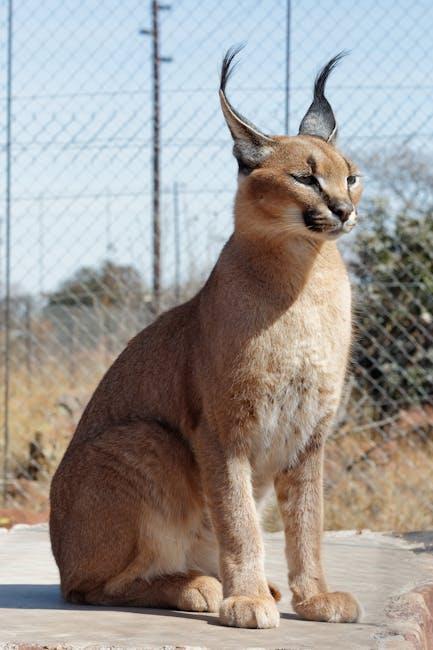
Venturing into the heart of Africa on a safari is like stepping into a living canvas where nature paints its most magnificent masterpieces. The golden hues of the savannah, the stealthy grace of a stalking leopard, and the vibrant plumage of exotic birds present endless opportunities for breathtaking photography. Yet, capturing the essence of this wild, untamed beauty requires more than just a keen eye and a camera. It demands an understanding of the land, the light, and the life that thrives within it. In this article, we unravel the secrets to mastering safari photography, offering tips that blend technical expertise with a deep appreciation for the natural world. Whether you’re a seasoned photographer or a curious traveler with a camera in hand, join us as we explore the art of immortalizing Africa’s majestic wildlife through the lens.
Capturing the Wild: Essential Gear for Safari Photography
Embarking on an African safari is a dream for many photographers, offering a chance to capture the majestic wildlife and stunning landscapes of the continent. To make the most of this opportunity, having the right gear is crucial. Camera Body: A DSLR or mirrorless camera with a fast burst mode is essential for capturing action shots of animals on the move. Lenses: A telephoto lens (200mm or longer) is a must for close-up shots of distant wildlife, while a wide-angle lens is perfect for landscapes and capturing the vastness of the savanna. Tripod/Monopod: A sturdy tripod or monopod can stabilize your shots in low light and allow for smoother panning when tracking animals.
- Memory Cards: High-capacity, fast-writing memory cards ensure you won’t miss a shot.
- Extra Batteries: Safaris often last all day, so having extra batteries is a lifesaver.
- Bean Bag: Useful for stabilizing your camera when shooting from a vehicle.
- Rain Cover: Protects your gear from sudden downpours or dust storms.
- Lens Cleaning Kit: Keep your lenses spotless for the clearest shots.
By ensuring you’re equipped with these essentials, you’ll be prepared to capture the wild beauty of Africa in all its glory.
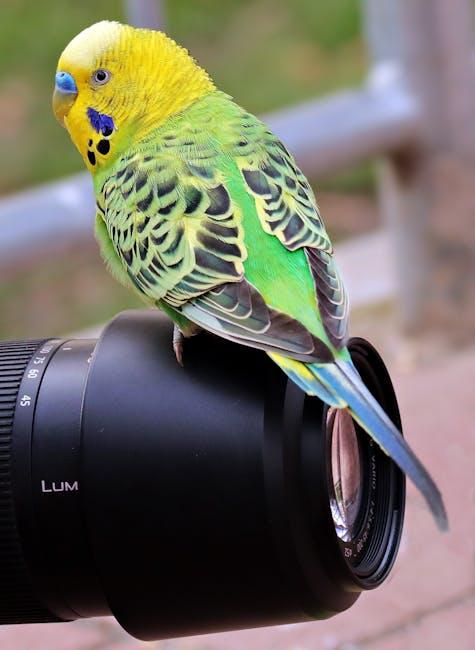
Mastering Light and Shadow: Techniques for Stunning Wildlife Shots
Capturing the breathtaking wildlife of Africa requires a keen understanding of how light and shadow can transform your images from ordinary to extraordinary. When embarking on a safari, consider these techniques to enhance your wildlife photography:
- Golden Hour Magic: The soft, diffused light during the golden hours of dawn and dusk is perfect for capturing the rich textures and vibrant colors of wildlife. This time of day also casts long shadows, adding depth and drama to your shots.
- Backlighting Brilliance: Position yourself with the light source behind your subject to create stunning silhouettes and rim lighting. This technique emphasizes the shape and form of animals, making your images more captivating.
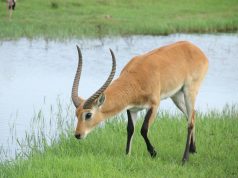
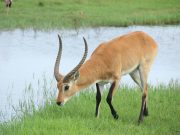
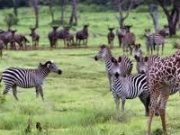
- Spotlight Effect: Use the natural dappled light filtering through trees to highlight specific parts of your subject. This selective illumination can draw attention to unique features, such as the striking patterns of a zebra or the majestic horns of an antelope.
Experimenting with these techniques will allow you to harness the power of light and shadow, resulting in wildlife photographs that truly stand out.
The Art of Patience: Timing Your Perfect Safari Moment
In the heart of Africa’s vast savannas and dense jungles, capturing that perfect wildlife shot is not just about skill; it’s about mastering the delicate balance of patience and timing. Understanding animal behavior is crucial. Lions may lounge under the shade during the midday sun, while elephants might gather around waterholes at dawn or dusk. Observing these patterns can help you anticipate the ideal moment for your shot. Stay alert and ready, as nature is unpredictable, and a fleeting moment can turn into a lifelong memory.
- Early mornings and late afternoons are often the best times for wildlife photography, with softer lighting and more active animals.
- Silence and stillness are your allies. Animals are more likely to approach if they feel unthreatened by your presence.
- Utilize a telephoto lens to maintain a respectful distance while capturing intimate details.
- Remember, sometimes the best shots come when you least expect them, so always keep your camera at the ready.
Composing the Untamed: Framing Tips for Dynamic Safari Images
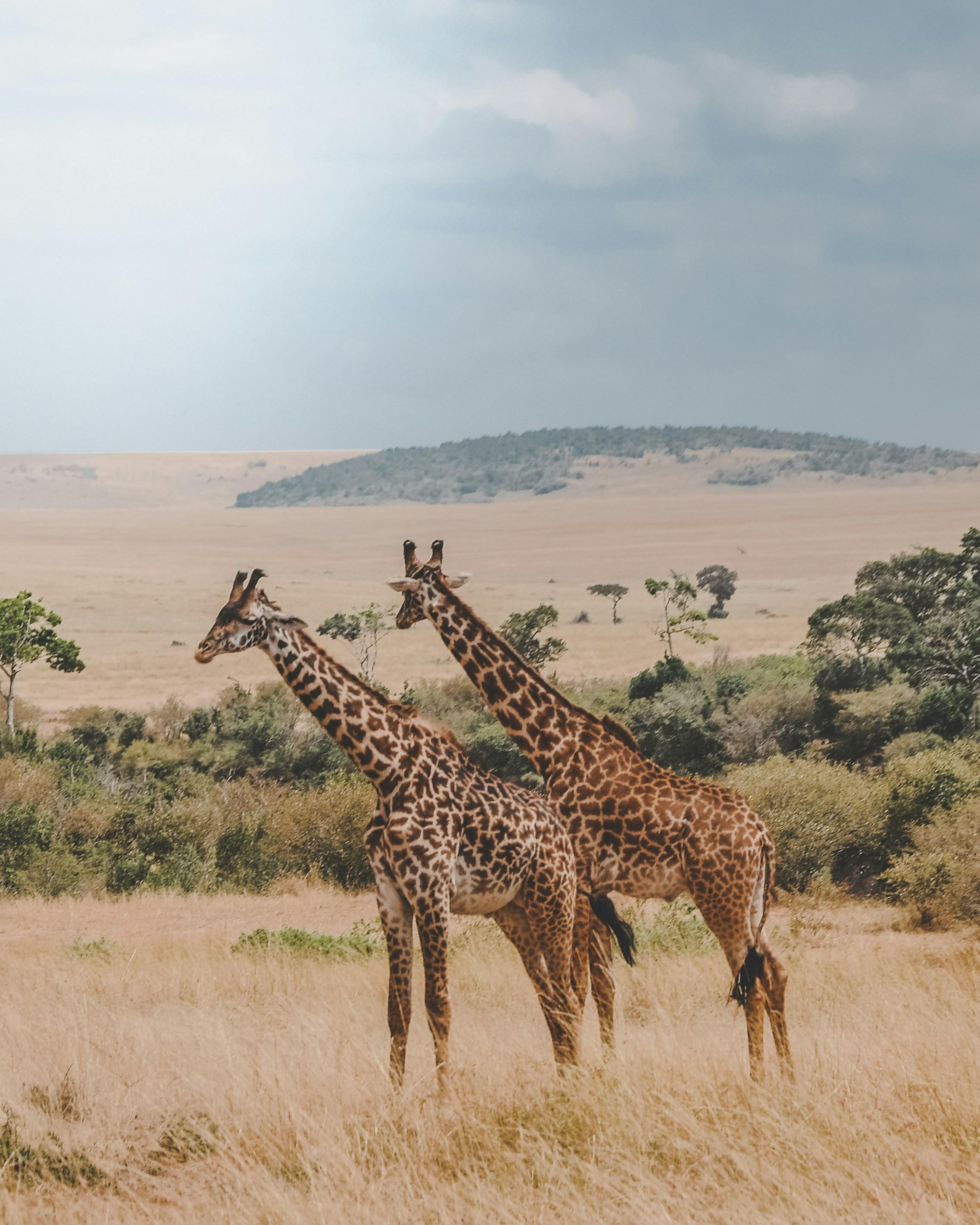
Capturing the essence of the African wilderness demands a keen eye for detail and a knack for framing the extraordinary. When you’re out in the vast savannahs, positioning your subject creatively can turn a simple snapshot into a story that speaks volumes. Consider the rule of thirds to place your subject off-center, adding a sense of movement and intrigue. Utilize the natural elements, such as the sweeping grasses or towering acacia trees, to create layers and depth in your images.
Key framing tips to enhance your safari images:
- Use foreground elements: Incorporate branches, rocks, or even other animals to add context and scale.
- Capture the horizon: Play with the sky and land to create dramatic compositions, emphasizing the vastness of the landscape.
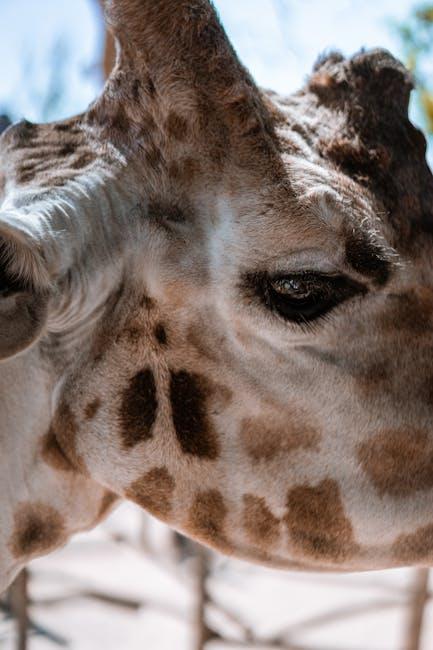
- Experiment with angles: Try shooting from a lower perspective to give a majestic feel or from above to showcase patterns in herds.
- Mind the light: Early morning and late afternoon offer golden hues that enhance the drama and vibrancy of your shots.
Closing Remarks
As the golden sun dips below the horizon, casting long shadows across the savannah, the memories of your African safari will remain etched in your mind, captured through the lens of your camera. With these photography tips, you’ve not only documented the majestic wildlife and breathtaking landscapes but also honed your skills as a storyteller. Each image is a testament to the patience, respect, and wonder that such an adventure demands. As you journey back to the rhythm of everyday life, let these photos remind you of the raw beauty and profound serenity of the African wilderness. Until your next adventure, may your camera continue to be your passport to exploring the world’s most extraordinary places.