
























In the age of wanderlust, where every corner of the globe beckons with stories of the past, the intersection of tourism and preservation presents a compelling conundrum. As travelers flock to the world’s most treasured sites, eager to capture a piece of history through their lenses and experiences, the unintentional consequences of these encounters often linger long after the snapshots fade. The question that emerges from this intricate dance between admiration and preservation is whether tourists should face penalties for damaging historical artifacts. This inquiry invites us to explore the delicate balance between fostering global cultural appreciation and safeguarding the tangible links to our shared human heritage. As we delve into this issue, we aim to unravel the complexities that lie at the heart of this debate, examining the responsibilities and ramifications that come with being a steward of the past in an ever-connected world.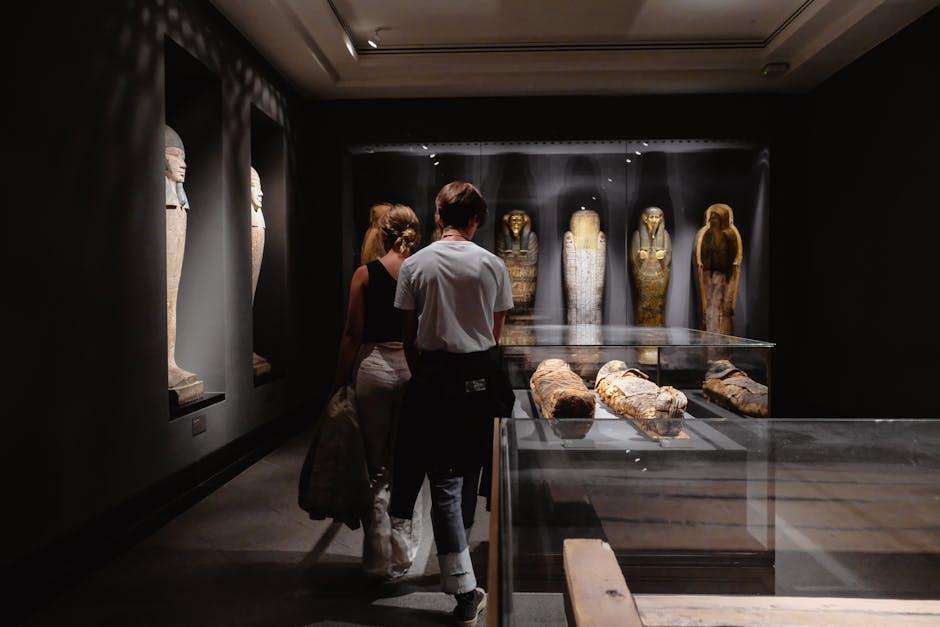
Balancing Preservation with Tourism: A Delicate Dance
In the realm of cultural heritage, the challenge of maintaining the integrity of historical artifacts while fostering tourism is akin to a delicate dance. On one hand, tourism can breathe life into local economies and foster global understanding; on the other, it poses a risk to the very artifacts it celebrates. Striking a balance between preservation and tourism requires thoughtful consideration of how best to manage and mitigate the impact of visitors. When tourists inadvertently or intentionally damage historical artifacts, the question arises: should they face penalties? This issue stirs a pot of ethical and practical considerations, prompting us to weigh the value of education against the necessity of deterrence.
- Educative Approaches: Some argue that penalties should be secondary to educational initiatives that inform tourists about the significance and fragility of historical sites.
- Deterrent Measures: Others advocate for stringent penalties as a necessary deterrent to protect irreplaceable cultural heritage from harm.
- Hybrid Solutions: A blend of education and penalties might serve as a balanced approach, fostering respect and accountability among tourists.
Ultimately, the goal is to create an environment where historical artifacts are safeguarded, and tourism thrives without compromising the integrity of our shared heritage. The dance continues, with each step forward inviting both introspection and innovation.
The Impact of Tourist Damage on Cultural Heritage Sites
Cultural heritage sites are the vessels of history, telling stories of civilizations long past. Unfortunately, these irreplaceable landmarks often fall victim to careless acts of tourism. The effects of such actions are profound and multifaceted:
- Physical Damage: Graffiti, littering, and vandalism are just the surface-level impacts. The subtle but cumulative wear from constant foot traffic can erode ancient stones and delicate mosaics.
- Loss of Authenticity: Restoration efforts, while essential, can sometimes strip a site of its historical authenticity, altering its original state in an attempt to repair damage.
- Environmental Degradation: Increased tourism can lead to environmental stress, affecting the surrounding flora and fauna that are often integral to the site’s historical narrative.
As stewards of history, it is crucial to contemplate whether stricter measures should be enforced. Should the price of a ticket include a shared responsibility for preservation? Implementing penalties might serve as a deterrent, but it also raises questions about fairness and practicality in safeguarding our global heritage.

Legal Frameworks and Penalties: A Global Perspective
The international landscape of laws regarding the protection of historical artifacts is a complex tapestry, reflecting diverse cultural values and legal traditions. Countries vary significantly in their approach to safeguarding their heritage, with some imposing stringent regulations and harsh penalties, while others adopt more lenient measures. For instance, Italy and Greece, home to countless ancient relics, have established rigorous legal frameworks that include hefty fines and even imprisonment for those who damage cultural property. In contrast, some nations may prioritize education and restitution over punitive actions, focusing on raising awareness among tourists about the importance of preservation.
Across the globe, penalties for damaging historical artifacts can include:
- Fines: Monetary penalties that can range from hundreds to millions of dollars, depending on the artifact’s significance.
- Imprisonment: Jail sentences that vary from a few months to several years, emphasizing the severity of the offense.
- Community Service: Engagement in activities that contribute to the preservation and restoration of cultural heritage.
- Educational Programs: Mandatory participation in courses designed to increase understanding and appreciation of historical sites.
The debate on whether tourists should face such penalties is ongoing, balancing the need for deterrence with the potential for fostering a global culture of respect and responsibility towards shared human history.

Recommendations for Sustainable Tourism Practices
- Education and Awareness: Encourage tourists to engage in educational programs before visiting sites. Understanding the historical significance and cultural context of artifacts can foster respect and mindfulness.
- Eco-friendly Practices: Promote the use of eco-friendly travel options, such as walking tours or public transportation, which reduce environmental impact and allow for a deeper connection with the historical environment.
- Local Engagement: Support initiatives that involve local communities in tourism management. This ensures that the voices of those who are directly affected by tourism are heard and valued.
- Responsible Photography: Educate tourists on the importance of respectful photography. Flash photography can damage delicate artifacts, so encourage alternatives or restrictions where necessary.
- Waste Management: Implement and enforce strict waste management protocols. Providing accessible recycling and composting stations can minimize pollution at historical sites.
By embedding these practices into the fabric of tourism, we can create a more harmonious relationship between tourists and the historical treasures they seek to explore. Sustainable tourism not only protects our past but ensures that future generations can enjoy and learn from these irreplaceable artifacts.
Closing Remarks
As the sun sets on the corridors of history, the question of how to safeguard our shared heritage remains ever pressing. Whether through education, legal measures, or a blend of both, the responsibility to protect the echoes of our past rests with each of us. In the dance between curiosity and preservation, may we find a balance that allows future generations to not only witness the grandeur of historical artifacts but also understand the weight of their significance. Let us tread lightly, with respect and reverence, as we walk through the pages of history, ensuring that the stories etched in stone and canvas endure for centuries to come.