
























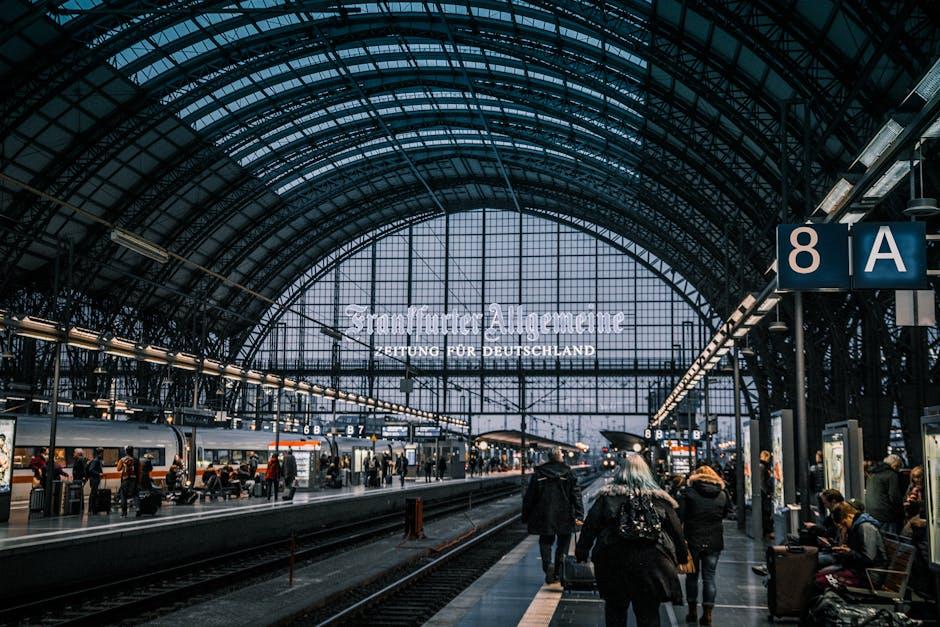
In the heart of Europe, where cobblestone streets weave tales of centuries past and modern skylines pierce the heavens, lies an often-overlooked marvel of design and functionality: the train station. These architectural gems serve not only as bustling hubs of transit but also as vibrant canvases reflecting the rich tapestry of European culture and history. From the intricate ironwork of Victorian-era terminals to the sleek, minimalist lines of contemporary designs, Europe’s train stations are as diverse as the landscapes they connect. This exploration delves into the unique architectural styles that define these structures, offering a journey through time and space, where each station tells its own story of innovation, heritage, and artistry. Join us as we traverse the continent, uncovering the captivating beauty and distinctive character of Europe’s most remarkable train stations.
Art Nouveau Elegance Discovering the Aesthetic Charm of Europes Historic Train Stations
As you traverse the storied landscapes of Europe, a journey through its train stations reveals more than mere transit points—they are gateways into the exquisite world of Art Nouveau. This architectural style, flourishing between the late 19th and early 20th centuries, is renowned for its ornate detailing and organic forms, transforming stations into timeless works of art. Brussels’ Central Station, with its sweeping curves and elaborate ironwork, is a testament to this elegance, offering travelers a glimpse into a bygone era where every detail was meticulously crafted to captivate the senses.
- Paris Gare de Lyon: Known for its iconic clock tower and Belle Époque restaurant, Le Train Bleu, where diners are enveloped in lavish murals and gilded interiors.
- Helsinki Central Station: A fusion of Art Nouveau and Finnish nationalism, this station is adorned with granite statues and a striking green copper roof.
- Prague Main Station: Boasting intricate stained glass windows and frescoes, this station is a hidden gem amidst the city’s historic architecture.
The delicate floral motifs, flowing lines, and intricate tile work found in these stations are more than decorative elements; they are narratives etched in stone and glass, reflecting the optimism and artistic innovation of the period. In an era where functionality often trumps aesthetics, these historic train stations stand as reminders of a time when travel was as much about the journey as it was the destination.
Modern Marvels How Contemporary Design is Shaping Europes Railway Hubs
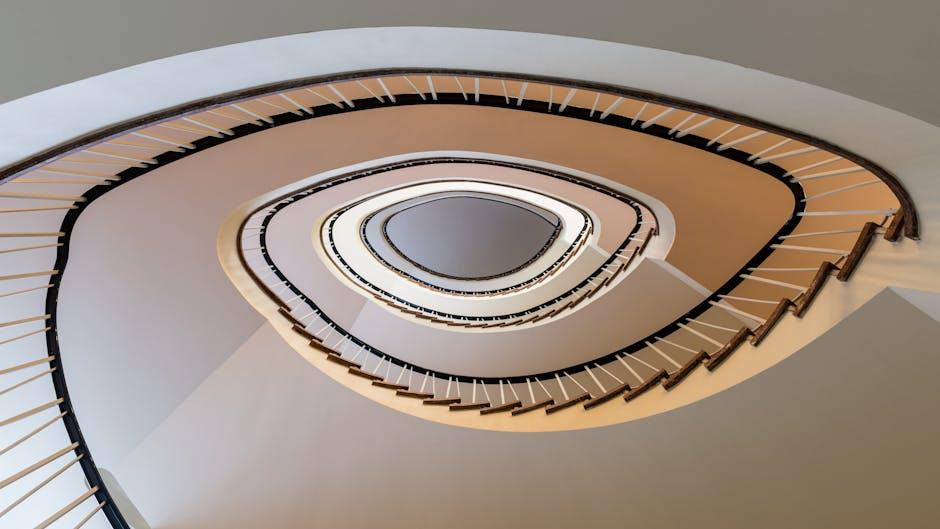
Across Europe, train stations are transcending their utilitarian roots, evolving into architectural masterpieces that reflect the innovative spirit of contemporary design. These hubs are no longer just points of transit but are transforming into vibrant public spaces that capture the essence of modernity. Architects and designers are blending traditional elements with cutting-edge materials to create spaces that are not only functional but also aesthetically pleasing. From the sweeping curves of Rotterdam Centraal to the minimalist elegance of Vienna’s Hauptbahnhof, each station tells a story of its city’s cultural and historical tapestry.
- Rotterdam Centraal: Known for its angular roof and glass façade, this station is a beacon of modern Dutch architecture.
- Liège-Guillemins: With its soaring arches and open spaces, it stands as a testament to Santiago Calatrava’s visionary design.
- Berlin Hauptbahnhof: A marvel of engineering, this multi-level station is a symbol of Germany’s commitment to innovation.
- Antwerp Central: Often referred to as the “Railway Cathedral,” it seamlessly blends historic charm with modern updates.
These stations are more than just gateways to travel; they are symbols of progress and creativity. As Europe continues to embrace contemporary design, its railway hubs are set to inspire travelers and architects alike, inviting them to explore and engage with the architectural wonders of the continent.

Hidden Gems Off-the-Beaten-Path Stations Worth Visiting for Architecture Enthusiasts
For those who crave the allure of unconventional beauty and the whispers of history echoing through architectural marvels, Europe offers a treasure trove of lesser-known train stations that are sure to captivate. Tucked away in the scenic landscapes and bustling urban centers, these stations offer a feast for the eyes and a glimpse into the past. La Gare de Limoges-Bénédictins in France is a stunning example, with its elegant Art Deco style and intricate clock tower that stands as a testament to the era’s grandeur. Meanwhile, Wrocław Główny in Poland charms with its neo-Gothic façade and vibrant interiors, a reminder of the city’s rich historical tapestry.
- Antwerp Central Station, Belgium: Often dubbed as the “Railway Cathedral,” this station mesmerizes with its lavishly ornate architecture, blending various styles including Art Nouveau and Neo-Renaissance.
- Estação de São Bento, Portugal: Known for its stunning azulejo tile panels, this station in Porto narrates Portugal’s history through intricate blue and white tile art.
- Helsinki Central Station, Finland: A masterpiece of Finnish design, this station features striking granite sculptures and a blend of national romanticism with modernist touches.
Sustainable Innovation Eco-Friendly Features in Europes Train Station Designs
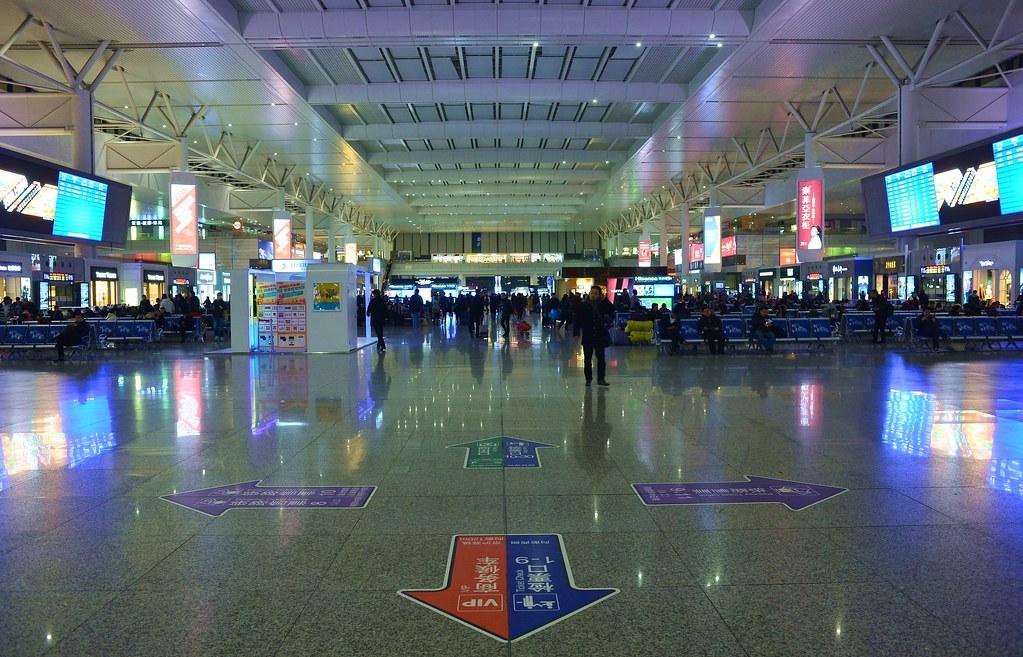
Across Europe, train stations are increasingly becoming exemplars of sustainable innovation, showcasing a commitment to eco-friendly design that harmonizes with their urban surroundings. These architectural marvels incorporate a blend of modern technology and green solutions to reduce environmental impact and promote energy efficiency. Noteworthy features include:
- Solar Panels: Many stations are equipped with photovoltaic panels on rooftops, generating clean energy to power station facilities.
- Green Roofs: Vegetation-covered rooftops not only provide insulation but also contribute to urban biodiversity and air quality improvement.
- Rainwater Harvesting: Systems are installed to collect and utilize rainwater for station maintenance and landscaping needs.
- Natural Ventilation: Architectural designs incorporate open-air elements and strategically placed windows to reduce reliance on air conditioning.
- Recycled Materials: The use of sustainable materials, including recycled steel and reclaimed wood, is prevalent in construction.
These eco-friendly features are not merely add-ons but are integral to the ethos of modern train station architecture, reflecting a broader commitment to sustainable urban development across the continent.
Future Outlook
As we reach the end of our journey through the captivating world of Europe’s train station architecture, we find ourselves enriched by the diverse stories etched into these grand structures. Each station, with its unique blend of history, design, and functionality, stands as a testament to the ingenuity and artistic vision of its creators. From the intricate Art Nouveau details of Porto’s São Bento to the sleek modernity of Rotterdam Centraal, these architectural marvels not only facilitate travel but also invite us to pause and appreciate the fusion of past and present. As trains continue to connect cities and cultures, the stations themselves remain steadfast as both gateways and destinations, ever-evolving yet eternally rooted in the rich tapestry of European heritage. Whether you’re a seasoned traveler or an architecture enthusiast, Europe’s train stations offer a timeless passage into the heart of the continent’s architectural soul, beckoning you to explore, discover, and dream.