






















In the shimmering haze of tropical paradises and serene coastal retreats, luxury resorts rise like opulent mirages, promising unparalleled indulgence and escape. Yet, beneath the allure of infinity pools and private villas, a quieter narrative unfolds—one that speaks of transformation, displacement, and the complex interplay between progress and preservation. As the global tourism industry continues to expand its footprint, questions emerge about the true cost of these luxurious havens. Are these majestic resorts simply gateways to dreamlike experiences, or do they cast shadows that extend beyond their pristine beaches, encroaching upon the lives and livelihoods of local communities? This article delves into the multifaceted dynamics at play, exploring whether the rise of luxury resorts is reshaping landscapes at the expense of those who call these paradises home.
The Mirage of Paradise: Unveiling the Hidden Costs of Luxury Resorts
In the pursuit of opulence, luxury resorts often cast a shadow over the vibrant tapestry of local communities. These paradisiacal retreats, while promising an escape into serenity, can inadvertently lead to significant repercussions for the indigenous populace. As developers acquire vast stretches of land, often at undervalued prices, the original inhabitants may find themselves uprooted from their ancestral homes. This displacement not only disrupts the social fabric but also erodes the cultural heritage that has been nurtured over generations. The glittering promise of economic growth and employment opportunities frequently falls short of expectations, with local residents relegated to low-paying, menial jobs that fail to uplift their living standards.
- Erosion of Cultural Identity: As traditional practices and customs give way to modern amenities, the unique cultural identity of these communities faces the threat of extinction.
- Environmental Impact: The construction and operation of luxury resorts often lead to environmental degradation, affecting local flora and fauna and disrupting the natural balance.
- Economic Disparities: While resorts attract wealth, the benefits seldom trickle down to local communities, leading to stark economic disparities.
The allure of luxury, therefore, comes with a hidden cost, urging a reevaluation of priorities to ensure that the voices and rights of local communities are not drowned out in the chase for grandeur.
Balancing Act: Navigating the Clash Between Development and Community Heritage
The construction of luxury resorts often promises economic growth and modernization, yet it poses significant challenges to the preservation of community heritage. These developments frequently clash with the cultural and historical fabric of local communities, raising concerns about their long-term impact. The introduction of high-end tourism facilities can lead to the displacement of residents, altering the traditional lifestyles and social structures that have defined these areas for generations. The delicate balance between economic progress and cultural preservation becomes increasingly precarious as developers prioritize profit over people.
- Economic Opportunities: Proponents argue that luxury resorts create jobs and stimulate local economies.
- Loss of Identity: Critics highlight how the influx of tourists can erode cultural traditions and values.
- Environmental Impact: Large-scale developments often lead to environmental degradation, affecting local ecosystems.
- Community Voice: It is crucial for local communities to have a say in how their heritage is integrated with development plans.
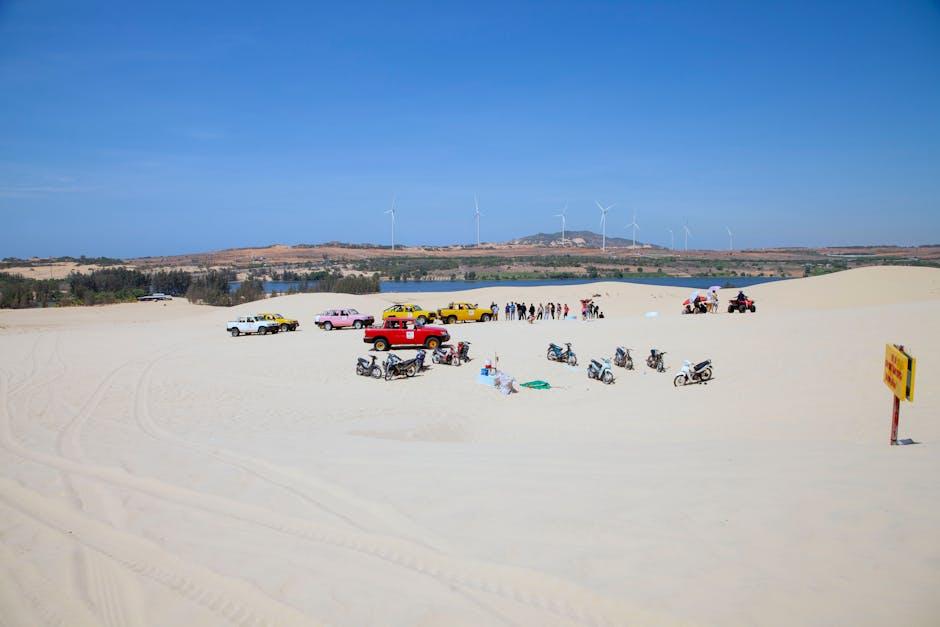
Sustainable Tourism: Strategies to Harmonize Resorts and Local Lives
- Community Engagement Initiatives: Resorts can play a pivotal role in integrating themselves into local communities by establishing genuine partnerships with local stakeholders. This can be achieved through initiatives like hiring local staff, sourcing products from local vendors, and investing in community development projects. Such efforts not only foster goodwill but also ensure that the economic benefits of tourism are equitably distributed.
- Environmental Stewardship: Implementing sustainable practices within the resort operations can significantly reduce their ecological footprint. This includes water conservation, waste reduction, and using renewable energy sources. By prioritizing the natural environment, resorts can maintain the ecological balance and preserve the natural beauty that attracts tourists in the first place.
- Cultural Preservation: Resorts should strive to respect and promote local cultures. This can be done by offering cultural experiences that are authentic and respectful, ensuring that tourism does not lead to the erosion of local traditions. Collaborating with local artisans and cultural groups to create immersive experiences can enhance the cultural value of the destination.
- Infrastructure Development: While resorts often come with improved infrastructure, it is crucial that such developments benefit the local population as well. Resorts can work with local governments to ensure that infrastructure improvements, such as roads and utilities, are accessible to both tourists and residents.
By adopting these strategies, luxury resorts can become a harmonious part of the local landscape, offering a symbiotic relationship where both the local communities and the tourism industry thrive.
Empowering Voices: Amplifying Community Perspectives in Resort Planning
In the intricate dance between development and preservation, the question arises: are luxury resorts contributing to the displacement of local communities, or can they coexist harmoniously? To explore this, it’s essential to delve into the heart of community engagement in the planning processes. Transparent communication is crucial, ensuring that local voices are not just heard but integrated into the development narrative. By embracing community perspectives, resorts can become more than just tourist destinations; they can serve as partners in sustainable growth.
- Inclusive Planning: Incorporating local traditions and cultural practices into the resort’s design and operations can foster a sense of ownership and pride among residents.
- Employment Opportunities: By prioritizing the hiring and training of local staff, resorts can contribute to economic empowerment.
- Environmental Stewardship: Collaborating with local communities on environmental initiatives ensures that natural resources are protected and cherished.
When luxury resorts prioritize these strategies, they not only enhance their own brand value but also cultivate a lasting positive impact on the communities they inhabit. By viewing community perspectives as an integral part of the planning process, resorts can help bridge the gap between global tourism ambitions and local realities.
Insights and Conclusions
As the sun sets on the pristine shores where luxury resorts and local communities coexist in a delicate dance, the horizon remains a canvas painted with both opportunity and challenge. The allure of opulent getaways continues to beckon travelers from afar, promising an escape from the mundane. Yet, beneath the surface, the whispers of displaced communities echo a poignant reminder of the costs often hidden in plain sight.
This exploration into the juxtaposition of luxury and locality invites us to ponder the intricate tapestry woven from threads of economic growth, cultural preservation, and ethical tourism. As we stand at this crossroads, the question remains: Can the shimmering promise of prosperity truly harmonize with the deep roots of heritage and home?
the narrative is not solely about the spaces we inhabit, but about the values we choose to uphold. Whether as travelers, developers, or members of these cherished communities, the path forward demands a shared commitment to dialogue, respect, and sustainable coexistence. Only then can we hope to find a balance where both luxury and local thrive, each enriching the other in a world that celebrates diversity and inclusivity.