






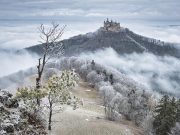












In the quiet embrace of Europe’s scenic countryside, where time seems to pause amidst rolling hills, quaint villages, and verdant pastures, an unexpected visitor has arrived—mass tourism. This influx of travelers, drawn by the allure of picturesque landscapes and the promise of tranquil escapes, has sparked a silent dialogue between the land and its admirers. As cobblestone paths echo with unfamiliar footsteps and ancient woodlands witness a new rhythm of life, questions arise about the delicate balance between welcoming the world and preserving the timeless beauty of these cherished havens. In this exploration, we delve into the heart of Europe’s rural charm to uncover whether the footsteps of many are treading too heavily on the soul of the countryside.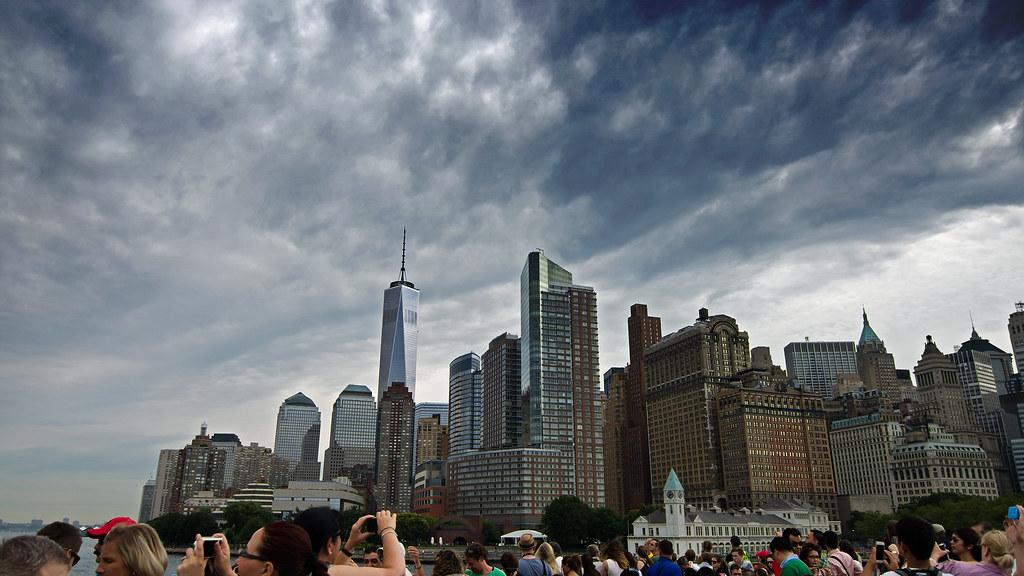
Impact on Local Ecosystems and Biodiversity
Mass tourism, with its sprawling infrastructure and increasing footfall, has been altering the delicate balance of Europe’s picturesque countryside. The intrusion into these serene landscapes often leads to habitat fragmentation, which disrupts the native flora and fauna. Animals such as deer, birds, and other indigenous species are forced to adapt to changing conditions or relocate, which can lead to a decline in their populations. This shift not only threatens individual species but also disturbs the intricate web of biodiversity that supports the ecosystem’s health and resilience.
- Soil Degradation: The constant trampling by visitors can lead to soil compaction, reducing its ability to absorb water and support plant life.
- Water Pollution: Increased human activity often results in higher levels of pollution in lakes and rivers, affecting aquatic life and water quality.
- Invasive Species: Tourists inadvertently introduce non-native species, which can outcompete and displace local plants and animals.
While tourism brings economic benefits, it also necessitates a balanced approach to ensure that the breathtaking landscapes of Europe’s countryside remain vibrant and thriving for generations to come.
Cultural Erosion and Community Challenges
The picturesque landscapes of Europe’s countryside, with their charming villages and timeless traditions, are increasingly under siege from the influx of mass tourism. The influx brings economic benefits but also threatens the very fabric of local cultures and communities. As travelers flock to these serene locales, they often bring with them a demand for modern conveniences that can overshadow traditional ways of life. The transformation of family-owned establishments into generic tourist traps erodes the authenticity that once defined these regions.
- Loss of Local Identity: Cultural homogenization occurs as local customs and languages are overshadowed by global tourism trends.
- Community Displacement: Residents may be forced to relocate as property prices soar, driven by the demand for vacation rentals.
- Environmental Impact: The delicate ecosystems that have thrived for centuries face degradation due to over-tourism.
While the allure of economic growth is undeniable, it is crucial to balance these interests with the preservation of cultural heritage and community integrity. Strategies that promote sustainable tourism, such as encouraging off-season visits and supporting local artisans, can help mitigate these challenges.
Sustainable Tourism Models and Practices
As Europe’s idyllic landscapes increasingly bear the brunt of tourism’s popularity, sustainable tourism models offer a path forward. These models emphasize community involvement, environmental conservation, and economic sustainability. By prioritizing local culture and ecosystems, they aim to balance the influx of tourists with the needs of the region. Key practices include:
- Eco-friendly Accommodations: Implementing green building practices and reducing energy consumption.
- Community-Based Tourism: Involving local communities in decision-making processes to ensure their voices are heard and their needs met.
- Slow Tourism: Encouraging travelers to spend more time in fewer places, thus reducing the carbon footprint and enhancing the visitor experience.
By embracing these approaches, regions can preserve their natural beauty while providing enriching experiences for visitors. This balance not only safeguards Europe’s scenic countryside but also enhances its allure, ensuring it remains a cherished destination for generations to come.

Strategies for Balancing Preservation and Tourism
To ensure the preservation of Europe’s scenic countryside while accommodating the influx of tourists, a balance must be struck between conservation and economic growth. One effective approach is the implementation of sustainable tourism practices. This involves encouraging eco-friendly travel options, such as promoting public transportation over car rentals, and incentivizing businesses that adhere to sustainable practices. Furthermore, local authorities can establish visitor caps or timed entry systems in popular areas to prevent overcrowding and reduce environmental stress.
Another strategy is to foster community involvement in tourism management. By engaging local communities in decision-making processes, authorities can ensure that tourism development aligns with the values and needs of the residents. This could include creating local guides or workshops that educate tourists on the cultural and natural significance of the region, thus enhancing their appreciation and encouraging responsible behavior. Additionally, supporting local artisans and producers by integrating their goods into the tourism experience can provide economic benefits while preserving cultural heritage. Encouraging off-season travel and promoting lesser-known destinations can also help distribute the tourist load more evenly, reducing pressure on popular hotspots.
Future Outlook
As the sun sets over Europe’s picturesque countryside, casting a warm glow on the rolling hills and serene landscapes, the question lingers: Is mass tourism a harbinger of harm or a beacon of opportunity? The answer, much like the terrain itself, is complex and multifaceted. While the influx of visitors brings undeniable economic benefits and cultural exchanges, it also poses significant challenges to the preservation of these idyllic locales. The path forward lies in finding a harmonious balance, where sustainable practices and mindful travel become the guiding stars. As stewards of this enchanting land, it is up to us—locals, tourists, and policymakers alike—to tread lightly, ensuring that the countryside’s timeless beauty endures for generations to come. In this delicate dance between exploration and conservation, may we all find our footing, cherishing and protecting the landscapes that inspire and rejuvenate the soul.