






















In the heart of untouched landscapes, where the rhythm of life beats to ancient traditions, a new symphony is emerging—a blend of age-old customs and the modern allure of tourism. As travelers venture beyond familiar horizons, seeking the authenticity of traditional tribes, a complex tapestry unfolds. This intricate dance between preservation and commercialization raises poignant questions about the future of these cultural enclaves. Are traditional tribes being celebrated, or are they becoming curated spectacles for the curious eyes of global wanderers? In this exploration, we delve into the delicate balance between honoring indigenous heritage and the growing influence of the tourism industry, unraveling the threads that connect and sometimes conflict in this evolving narrative.
Cultural Showcases or Exploitation Examining the Balance
The delicate balance between cultural appreciation and exploitation in tourism is a nuanced subject. On one hand, cultural showcases provide a platform for traditional tribes to share their rich heritage, offering tourists an authentic glimpse into their unique customs and practices. These experiences can lead to increased awareness and appreciation of diverse cultures, fostering a sense of global unity. Additionally, economic benefits can be significant, providing tribes with much-needed revenue to support community projects and preserve their way of life.
However, the commercialization of these cultural expressions often risks commodifying traditions, stripping them of their original significance. There are concerns that such portrayals may prioritize tourist expectations over authentic cultural representation, leading to staged performances that lack genuine context. Critics argue that this dynamic can lead to the erosion of cultural identity and even the exploitation of indigenous communities. As such, it is crucial to consider the following aspects when evaluating the impact of cultural tourism:
- Community Involvement: Ensuring local tribes have control over how their culture is presented.
- Fair Compensation: Guaranteeing that profits are equitably distributed among community members.
- Authenticity: Maintaining the integrity of cultural expressions without succumbing to external pressures.
Striking the right balance requires thoughtful collaboration between tourism operators and indigenous communities, ensuring that cultural showcases remain respectful and mutually beneficial.
The Economic Impact of Tourism on Indigenous Communities
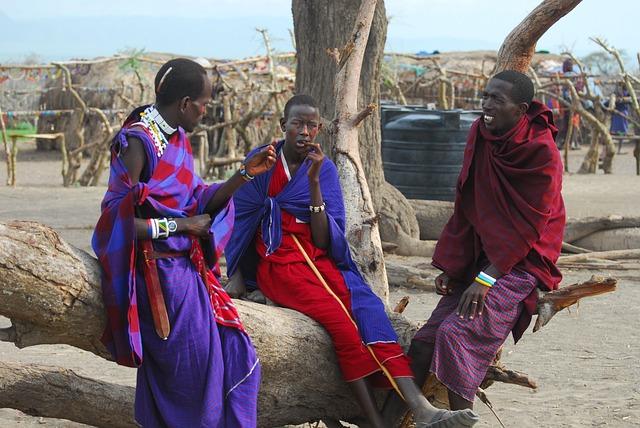
The allure of indigenous cultures often draws tourists seeking authentic experiences, but this influx can lead to complex economic ramifications for these communities. Traditional tribes, while gaining financial benefits from tourism, face the risk of their customs and lifestyles being commodified. As tourists pour in, local economies can flourish through increased demand for traditional crafts, performances, and guided tours. However, this boom often brings with it a transformation of cultural expressions into marketable products, potentially diluting their original meanings.
- Economic Benefits: Job creation, increased income, and infrastructure development.
- Challenges: Cultural commodification, loss of authenticity, and dependency on tourism.
Furthermore, while tourism can provide a platform for cultural exchange and education, the balance between preserving authenticity and catering to tourist expectations is delicate. Indigenous communities must navigate this landscape carefully to ensure that economic gains do not come at the expense of their cultural integrity. Balancing these dynamics requires thoughtful strategies that prioritize community involvement and respect for cultural heritage.

Preserving Authenticity Strategies for Sustainable Tribal Tourism
- Community Involvement: Engage local tribes in the planning and execution of tourism activities. Empowering them to make decisions ensures that their cultural practices are presented authentically and respectfully. By having a stake in the tourism projects, tribes can safeguard their traditions while benefiting economically.
- Education and Awareness: Educate tourists about the significance of cultural practices and rituals. Implement workshops and interactive sessions that highlight the history and lifestyle of the tribes, promoting a deeper understanding and appreciation among visitors.
- Controlled Visitor Numbers: Limit the number of tourists visiting tribal areas at any given time. This approach not only reduces environmental impact but also maintains the sanctity and privacy of tribal communities, allowing them to continue their way of life without undue disruption.
- Support Local Craftsmanship: Encourage the purchase of locally-made products and crafts. This supports the tribe economically while preserving traditional arts and skills. It’s crucial to ensure that these crafts are produced using authentic methods, reflecting the true essence of the culture.
- Ethical Partnerships: Foster partnerships with tourism operators who prioritize ethical practices. These operators should commit to fair trade principles and collaborate closely with tribes to ensure that tourism initiatives are beneficial and respectful.

Empowering Indigenous Voices Involving Tribes in Tourism Decisions
In recent years, the inclusion of indigenous communities in tourism planning has become a focal point in efforts to foster cultural preservation and economic empowerment. It is essential to approach this integration with sensitivity and respect, ensuring that these communities have a genuine voice in decision-making processes. Empowering indigenous voices means acknowledging their sovereignty and wisdom, and involving them as equal partners in tourism initiatives. This collaborative approach not only preserves cultural heritage but also provides a platform for indigenous narratives to be shared authentically.
- Community-Driven Initiatives: Engaging tribes in tourism decisions enables them to lead projects that highlight their cultural significance and historical narratives.
- Sustainable Practices: Indigenous involvement promotes sustainable tourism practices that align with their values and environmental stewardship.
- Cultural Exchange: By participating in the tourism sector, tribes can share their traditions and customs, fostering a deeper cultural understanding and appreciation among visitors.
- Economic Opportunities: Involvement in tourism can create job opportunities and drive economic growth within indigenous communities.
Ultimately, the goal is to create a balanced relationship where tourism supports indigenous prosperity without compromising their cultural integrity. This requires ongoing dialogue, mutual respect, and a commitment to sustainable development that prioritizes indigenous needs and perspectives.
Final Thoughts
In the intricate dance between tradition and modernity, the commercialization of traditional tribes for tourism emerges as both a beacon of opportunity and a shadow of concern. As we navigate this delicate balance, it becomes imperative to honor the rich tapestry of cultural heritage while fostering sustainable development. The stories of these tribes, etched in the annals of time, beckon us to tread thoughtfully, ensuring that their voices are not only heard but respected. The path forward is not a simple one, yet it offers a unique opportunity for collaboration, understanding, and mutual growth. As we close this chapter, we leave with a reminder that the heart of tourism should beat in harmony with the soul of the cultures it seeks to celebrate.