
























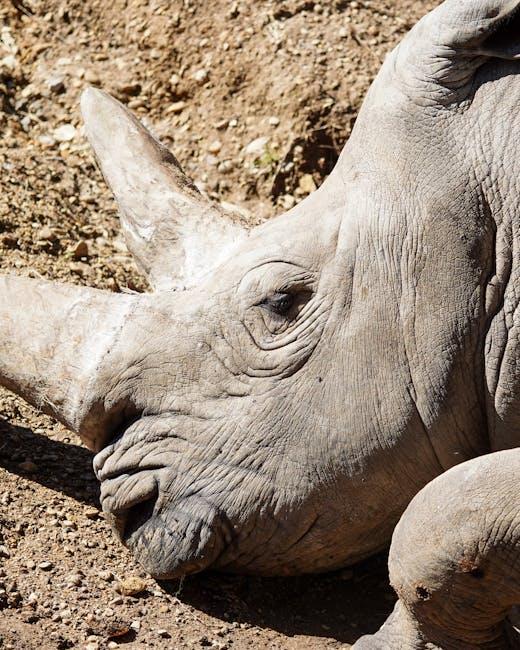
In the heart of Africa’s sprawling savannas and dense jungles, where the call of the wild echoes through ancient landscapes, a delicate balance teeters on the edge of a modern dilemma. Safari operators, those gatekeepers to the wonders of the natural world, find themselves at a crossroads between adventure and accountability. As the sun rises over the horizon, casting golden hues on the untamed wilderness, a pressing question emerges from the shadows: Are these custodians of wildlife doing enough to safeguard the very ecosystems they showcase? This article embarks on a journey to explore the intricate relationship between safari tourism and conservation, examining the efforts and responsibilities of operators as they navigate the complex terrain of preserving the planet’s most cherished treasures. Join us as we delve into the heart of this compelling issue, where the roar of a lion meets the whisper of sustainability.
Balancing Adventure and Preservation Exploring the Role of Safari Operators
In the delicate dance between exploration and preservation, safari operators find themselves at a crucial crossroads. On one hand, they offer thrilling experiences that bring tourists face-to-face with the wild, yet on the other, they carry the immense responsibility of ensuring that these natural wonders remain intact for future generations. The effectiveness of safari operators in conservation efforts can be seen through their commitment to sustainable practices and community engagement.
- Eco-Friendly Operations: Many operators are investing in sustainable infrastructure, such as solar-powered lodges and eco-friendly transportation, to minimize their carbon footprint.
- Community Involvement: By engaging local communities and providing economic incentives, operators foster a sense of ownership and stewardship over natural resources.
- Wildlife Protection: Initiatives like anti-poaching patrols and breeding programs are often supported or funded by safari operators, showcasing their active role in protecting endangered species.
While some operators have set commendable standards, the question remains whether these efforts are enough to counteract the growing threats to biodiversity. As the industry evolves, a continued emphasis on innovation and collaboration will be key to ensuring that the thrill of the safari does not come at the expense of the ecosystems that sustain it.

The Impact of Tourism on Wildlife Conservation Efforts
Safari operators play a crucial role in bridging the gap between wildlife conservation and tourism. As custodians of the wild, their influence extends beyond the boundaries of their reserves. While many operators actively engage in conservation initiatives, questions remain about the sufficiency of their efforts. Key areas where safari operators can make a substantial impact include:
- Habitat Restoration: Initiatives focused on restoring and preserving natural habitats, ensuring that wildlife populations thrive in their native environments.
- Community Engagement: Collaborating with local communities to foster sustainable practices and provide education about the importance of conservation.
- Anti-Poaching Measures: Implementing and funding anti-poaching units to protect endangered species from illegal hunting.
It’s essential to recognize that while some operators excel in these areas, others may fall short due to various challenges, such as limited resources or lack of awareness. The balance between profit and preservation is delicate, and the industry’s commitment to wildlife conservation is continuously tested. For meaningful progress, a unified approach involving all stakeholders—operators, governments, NGOs, and tourists—is crucial.
Innovative Strategies for Enhancing Conservation Practices
In the realm of wildlife tourism, safari operators are uniquely positioned to spearhead impactful conservation initiatives. By integrating innovative strategies into their operations, they can significantly enhance conservation practices. One such approach involves leveraging technology to monitor wildlife populations and their habitats. Using drones and satellite imagery, operators can gather crucial data that helps track animal movements and detect illegal activities, such as poaching, in real-time.
Furthermore, safari operators can adopt sustainable practices to minimize their environmental footprint and foster community involvement. Here are a few strategies they can implement:
- Eco-friendly Accommodations: Constructing lodges and camps using sustainable materials and incorporating renewable energy sources.
- Community Engagement: Partnering with local communities to provide education and employment opportunities, ensuring they benefit directly from conservation efforts.
- Wildlife Conservation Fees: Implementing fees that directly fund local conservation projects and encourage responsible tourism.
- Research Collaborations: Partnering with scientists and conservationists to conduct research that informs better management practices.
By embracing these strategies, safari operators can play a pivotal role in preserving biodiversity while offering authentic and sustainable wildlife experiences.

Collaborative Approaches Between Safari Operators and Local Communities
In the quest for sustainable conservation efforts, the synergy between safari operators and local communities has become increasingly significant. Safari operators are beginning to realize that their success is intrinsically linked to the well-being of the communities that surround the natural reserves. By fostering partnerships with these communities, operators can help to ensure that conservation efforts are more effective and sustainable. Some collaborative approaches include:
- Community-Based Tourism Initiatives: Engaging local communities in tourism activities not only provides employment opportunities but also instills a sense of ownership and responsibility towards wildlife conservation.
- Revenue-Sharing Models: Allocating a portion of safari revenues to community development projects ensures that local people benefit directly from conservation efforts, thus reducing human-wildlife conflict.
- Educational Programs: Training and educating community members about the importance of biodiversity and conservation can lead to more informed and supportive stakeholders.
These initiatives illustrate a growing recognition that the preservation of natural ecosystems cannot be achieved in isolation. Instead, it demands a collaborative, inclusive approach that values the input and welfare of those who live in proximity to these precious environments.
Final Thoughts
In the ever-evolving landscape of wildlife conservation, the role of safari operators remains a complex tapestry woven with both promise and challenge. As stewards of some of the world’s most majestic and vulnerable ecosystems, these operators stand at a pivotal crossroads. Their actions today will echo into the future, shaping the destinies of countless species and the natural world at large.
While strides have been made, and the commitment to conservation is evident in many quarters, the question lingers—are these efforts sufficient? The answer is neither simple nor uniform. It requires a collective reflection, an ongoing dialogue that encompasses all stakeholders, from local communities and governments to international tourists and environmental organizations.
As we close this exploration, let us remain both hopeful and vigilant. The path forward demands innovation, transparency, and collaboration. Only through these efforts can we ensure that the symbiotic relationship between safari operators and conservation continues to flourish, safeguarding our planet’s biodiversity for generations to come. The journey is far from over, and the call to action remains as urgent as ever.