






















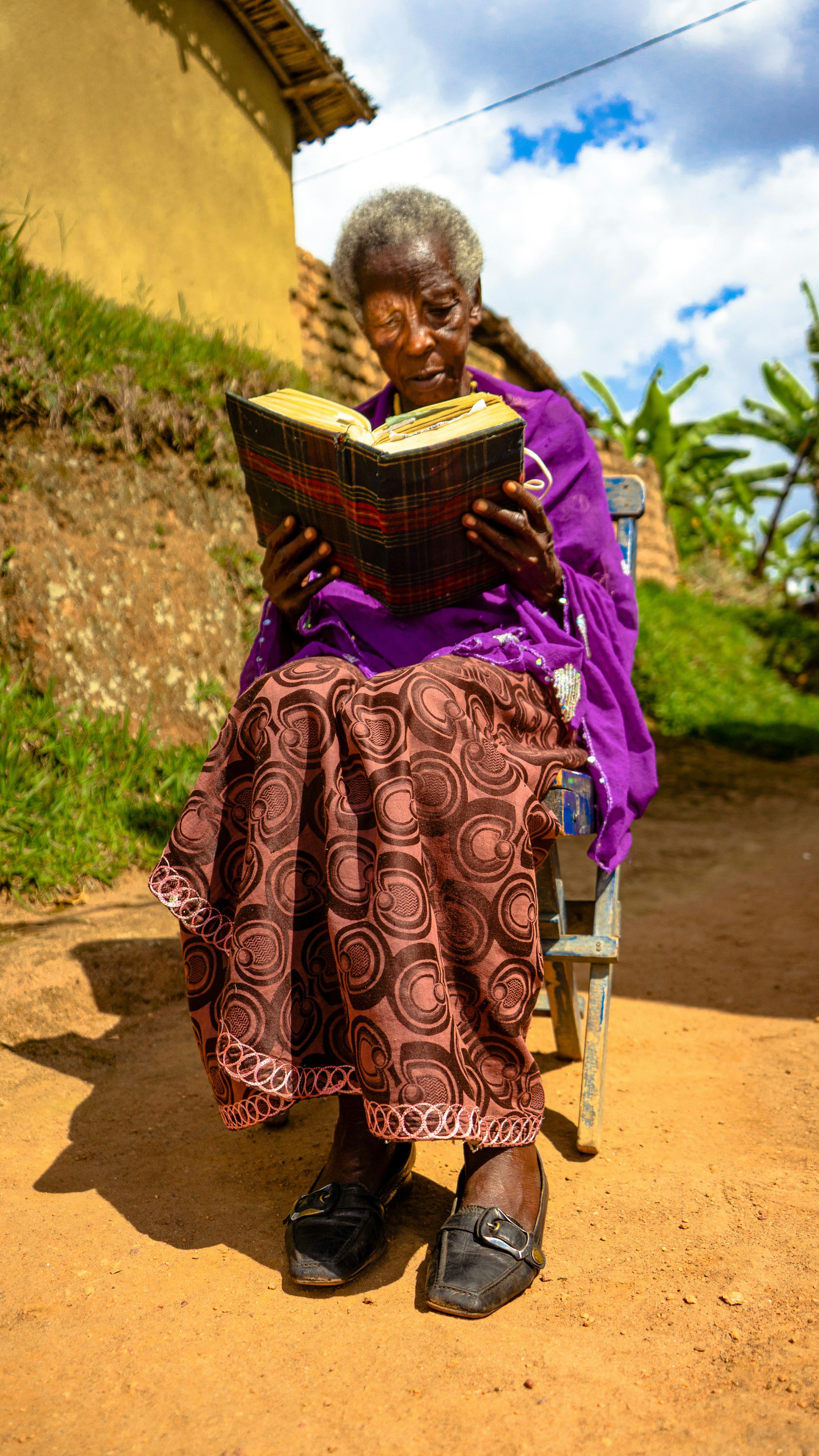
In the sun-drenched heart of Africa, where vibrant cultures weave a rich tapestry of traditions and landscapes unfurl in breathtaking panoramas, the lens of a camera often seeks to capture the essence of village life. Yet, beneath the surface of every photograph lies a complex dialogue about the ethics, implications, and rights of those being depicted. As the world becomes more interconnected and digital platforms amplify the reach of images, the question arises: Should photography in African villages be restricted? This article delves into the multifaceted perspectives surrounding this issue, exploring the balance between cultural preservation, individual privacy, and the global curiosity that drives photographers to document these communities. Through a neutral lens, we examine the arguments for and against imposing restrictions, seeking to illuminate the broader conversation about representation, consent, and the power dynamics at play in the world of photography.
Understanding Cultural Sensitivity in Photography
In the realm of photography, especially when traversing the vibrant and diverse landscapes of African villages, the concept of cultural sensitivity becomes paramount. Photographers must navigate a complex tapestry of traditions, beliefs, and community values. It is essential to approach these communities with respect and understanding, recognizing the potential impact of their work on the local people. Some critical aspects to consider include:
- Consent: Always seek explicit permission before taking photographs of individuals or groups, ensuring they are comfortable with being part of the narrative.
- Representation: Strive to portray the subjects in a manner that is true to their culture and context, avoiding stereotypes or misinterpretations.
- Reciprocity: Consider how your work can benefit the community, whether through sharing the photographs, supporting local initiatives, or engaging in fair trade practices.
By embedding these principles into their practice, photographers not only create authentic and respectful imagery but also contribute positively to the cultural preservation and dignity of the communities they capture. Balancing artistic expression with ethical responsibility ensures that photography becomes a bridge of understanding rather than a source of exploitation.
The Impact of Photography on Traditional African Communities
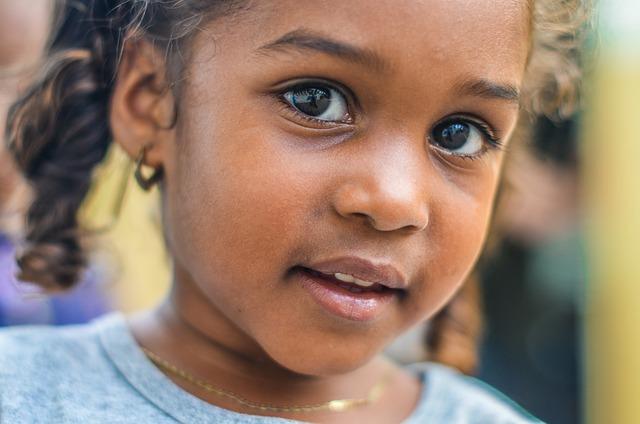
In many traditional African communities, photography has become a double-edged sword. On one hand, it serves as a powerful tool for cultural preservation, capturing the vibrancy of ceremonies, attire, and daily life. However, it also poses challenges, raising questions about consent, representation, and the commodification of culture. As photographers aim their lenses, they often overlook the nuances of local customs and the importance of context, potentially reducing rich traditions to mere spectacles for external consumption.
Several community leaders express concerns about the intrusive nature of photography. These include:
- Loss of Privacy: Villagers often find their personal spaces invaded without permission.
- Cultural Misrepresentation: Images taken out of context can lead to stereotypes and misunderstandings.
- Exploitation: There is a risk that images are used for profit without benefiting the communities depicted.
In response, some communities advocate for restrictive measures, suggesting guidelines that respect both the dignity of the individuals and the integrity of their traditions. These measures aim to foster a more balanced relationship between photographers and the communities they seek to document.
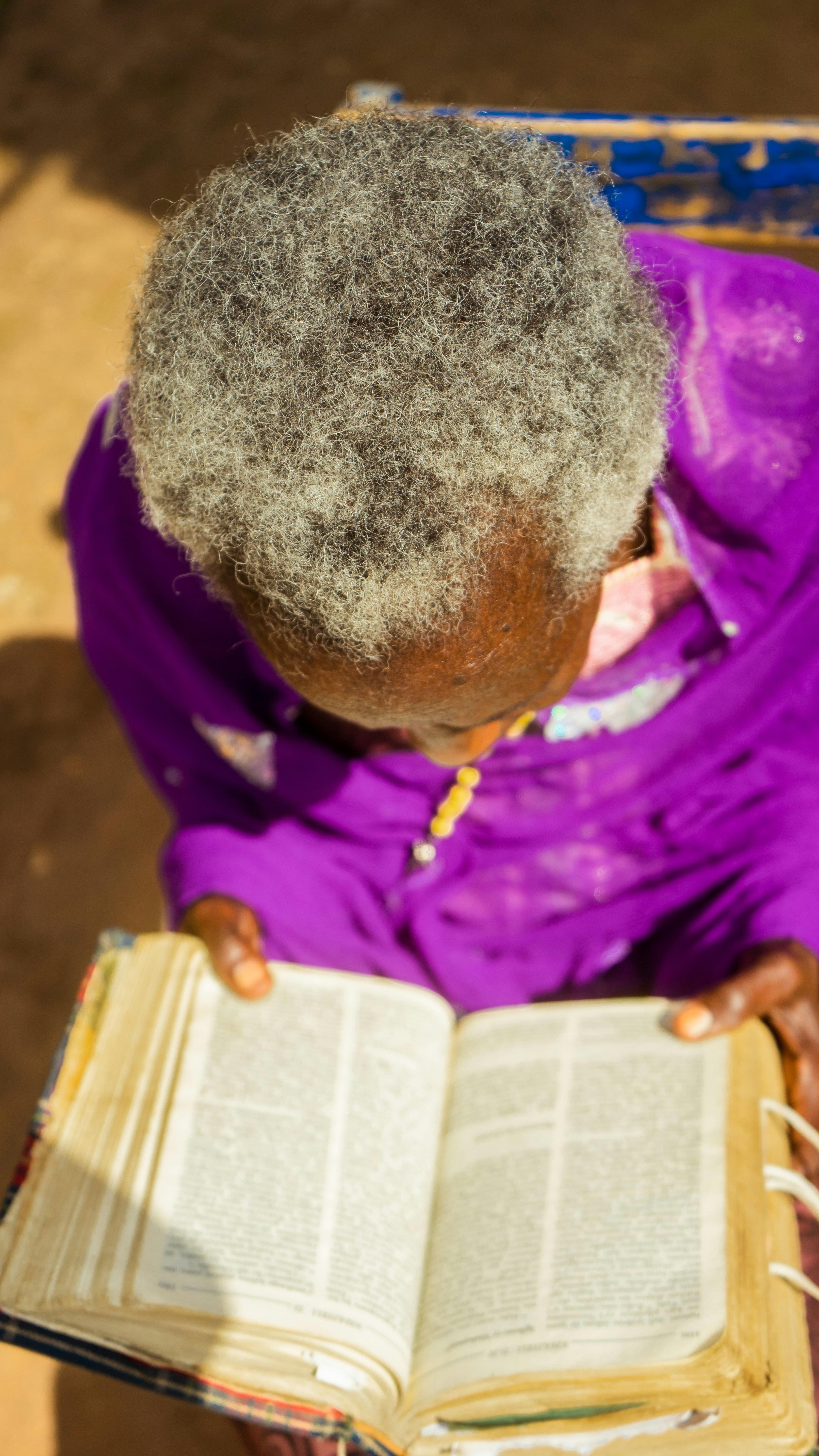
Balancing Artistic Freedom with Community Respect
In the evolving dialogue between photographers and local communities, a crucial consideration emerges: how can one capture the raw beauty and culture of African villages without infringing on the dignity and privacy of its residents? This delicate balance is central to maintaining both the integrity of the art and the respect owed to the communities being photographed. Photographers must navigate a landscape where cultural sensitivity and ethical practices are paramount, ensuring that their work does not inadvertently exploit or misrepresent the subjects involved.
- Cultural Sensitivity: Understanding and respecting the cultural norms and values of the village is essential. This involves engaging with community leaders and seeking permission before photographing.
- Consent and Collaboration: Prioritizing informed consent ensures that subjects are comfortable and aware of how their images will be used. This approach fosters trust and mutual respect.
- Representation and Narrative: Striving for authenticity in representation is crucial. Photographers should aim to tell stories that honor the true essence of the community, avoiding stereotypes or sensationalism.
By adhering to these principles, photographers can create a respectful and enriching exchange that honors both artistic expression and the vibrant cultures they seek to document.
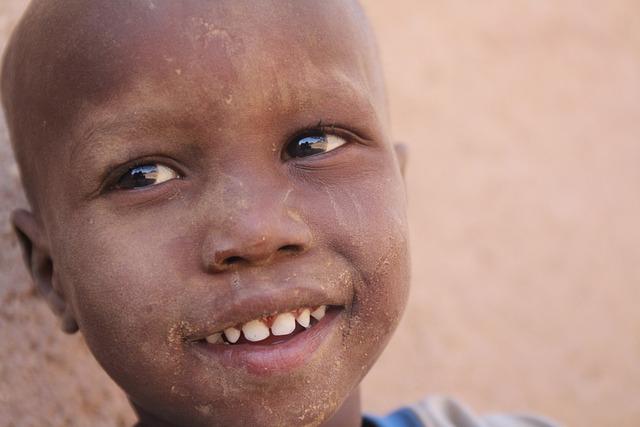
Recommendations for Ethical Photography Practices
Engaging in photography within African villages necessitates a thoughtful approach to ensure respect and ethical considerations are at the forefront. Photographers should prioritize informed consent by seeking permission before capturing images of individuals or cultural practices. This not only honors the dignity of the subjects but also builds trust and mutual respect. Transparency about the purpose of the photographs is essential, allowing communities to understand and agree to how their images will be used.
Consider the following guidelines to maintain ethical standards:
- Avoid exploiting sensitive situations or portraying communities in a negative light.
- Respect local customs and traditions, taking time to learn about them before photographing.
- Share the benefits of your work by offering copies of the images to the community or collaborating on projects that contribute positively to their environment.
- Be mindful of privacy and avoid intrusive photography that disrupts daily life.
By adhering to these practices, photographers can create meaningful and respectful representations that honor the rich tapestry of African village life.
In Retrospect
In the vibrant tapestry of Africa’s villages, where stories are etched in the lines of faces and the colors of landscapes, the question of photography’s role remains a delicate dance between preservation and intrusion. As the lens captures moments that words often cannot, it is imperative to tread thoughtfully, balancing respect for cultural integrity with the desire to document the beauty and resilience of these communities.
Whether photography should be restricted in African villages is not a question with a singular answer. It invites us to reflect on the broader implications of our interactions and the narratives we choose to amplify. In this evolving dialogue, let us approach with humility and openness, ensuring that the stories told through our lenses are those of collaboration and consent, enriching the global mosaic without diminishing the vibrant hues of local authenticity. As we continue to explore this complex issue, may our actions honor the rich heritage and future aspirations of Africa’s villages, leaving a legacy that transcends images—a legacy of mutual respect and shared humanity.