
























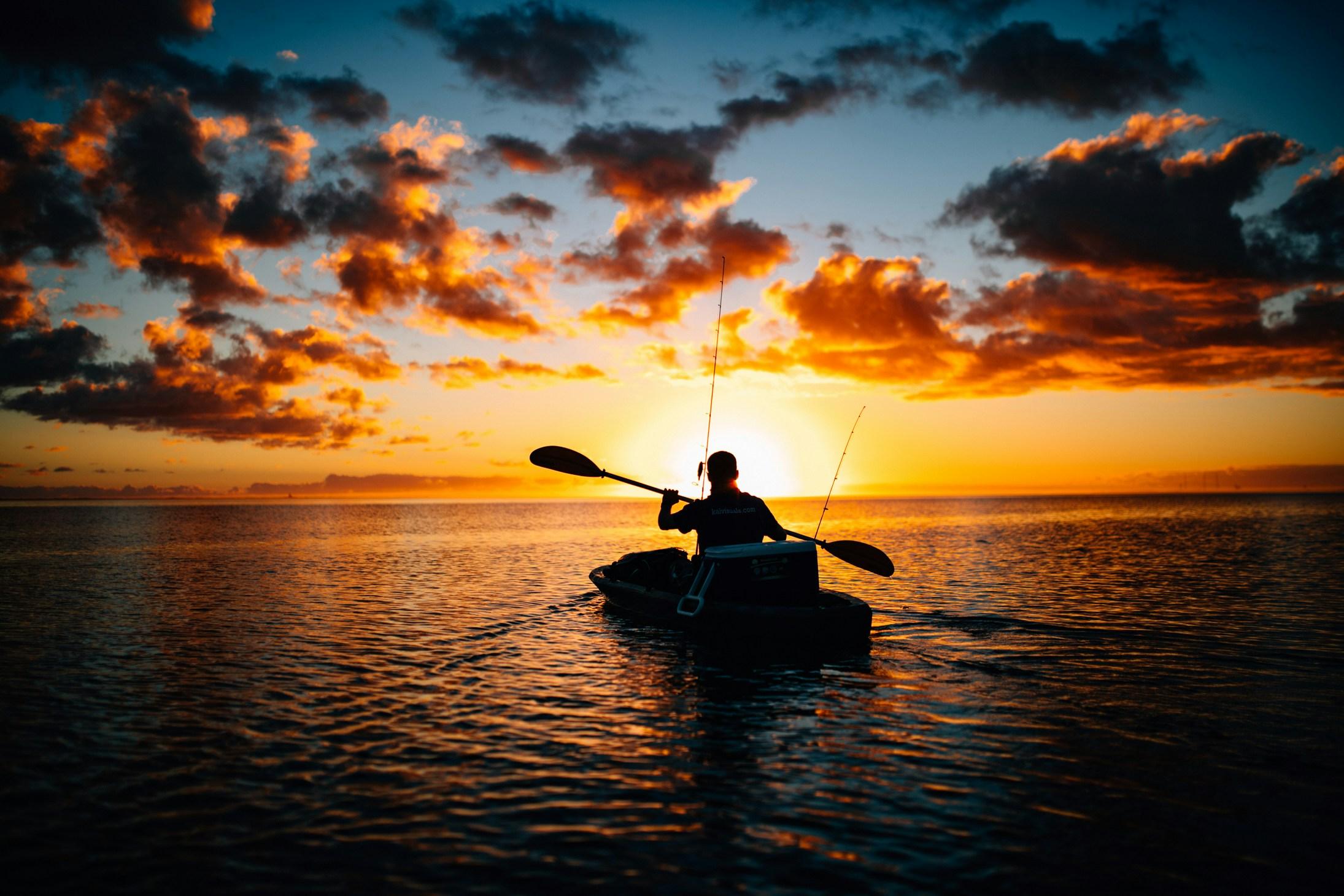
In the early morning light, the stillness of North America‘s vast lakes and rivers is punctuated by the rhythmic cast of a fishing line, the gentle plop as it kisses the water’s surface. Trophy fishing, an age-old pursuit, has long been woven into the cultural and recreational tapestry of the continent, celebrated for its tales of triumph and the bond it forges between angler and nature. Yet, beneath the serene facade, a contentious debate brews. Enthusiasts hail it as a testament to human perseverance and skill, while critics decry its impact on delicate ecosystems and ethical considerations. As the waters ripple with anticipation and controversy, this article delves into the multifaceted discourse surrounding trophy fishing in North America, exploring the arguments, the stakes, and the evolving narrative of this cherished yet contentious tradition.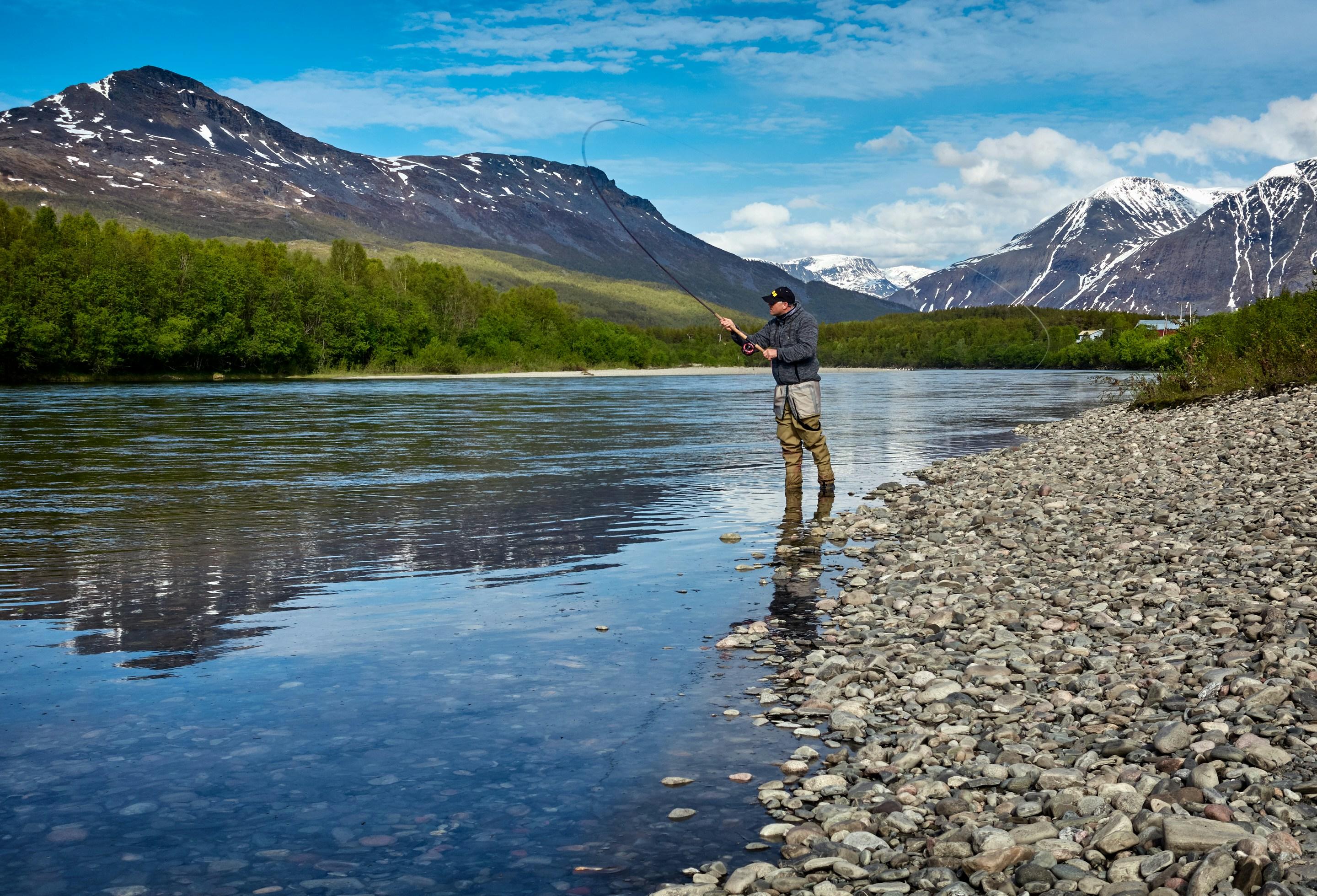
Conservation Concerns and Ecological Impact of Trophy Fishing
Trophy fishing has long been a point of contention among conservationists and anglers, with its impact on ecosystems becoming increasingly scrutinized. At the heart of the issue is the removal of large, mature fish, which are crucial for maintaining healthy populations. These specimens often contribute to the genetic diversity of their species, ensuring resilience against environmental changes and diseases. By targeting these fish, trophy fishing can inadvertently lead to a decline in the overall health and stability of aquatic ecosystems.
Beyond genetic impacts, there are broader ecological concerns associated with trophy fishing. Key issues include:
- Disruption of food chains: Removing top predators can lead to an imbalance, affecting species lower down the chain.
- Habitat degradation: The influx of anglers can result in environmental stress, such as bank erosion and pollution.
- Overfishing risks: Without proper regulations, trophy fishing can lead to overexploitation, endangering local fish populations.
Addressing these concerns requires a nuanced approach that balances the cultural and economic aspects of trophy fishing with its ecological implications. Stakeholders are urged to engage in sustainable practices and support conservation efforts that prioritize the health of aquatic ecosystems.
Cultural Significance and Economic Benefits of the Trophy Fishing Industry
The practice of trophy fishing has woven itself into the cultural tapestry of many communities across North America. It is not merely a pursuit of landing the biggest catch; it is a rite of passage, a tradition passed down through generations. Many local festivals and events celebrate this age-old sport, bringing together families and fostering a sense of community. Such gatherings are often steeped in folklore and storytelling, where tales of legendary catches and near-misses are shared around campfires. These stories, along with the skills and knowledge required to succeed in trophy fishing, form a unique cultural heritage that strengthens community bonds and preserves local traditions.
Beyond cultural aspects, the economic benefits of the trophy fishing industry are significant. This sector contributes to local economies by attracting tourists and anglers from around the world. Key economic impacts include:
- Job Creation: Employment opportunities in sectors such as hospitality, guiding services, and equipment sales.
- Revenue Generation: Increased income for local businesses, from bait shops to restaurants and hotels.
- Infrastructure Development: Improvements in transportation and public facilities driven by tourism demand.
As such, the industry supports livelihoods and stimulates economic growth, making it a vital component of many regional economies.
Ethical Considerations and Animal Welfare in Recreational Fishing
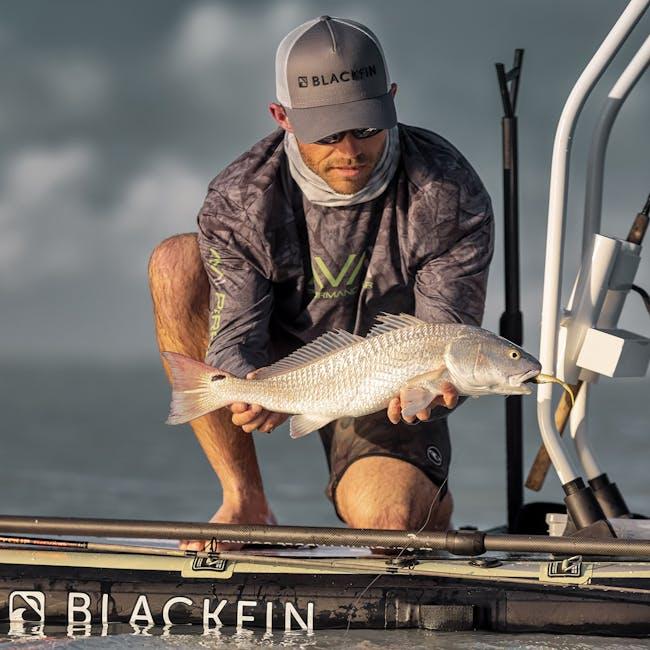
The practice of catching fish for sport, especially when it involves seeking out the largest specimens for trophies, raises important ethical questions. Animal welfare advocates argue that this form of recreational fishing can cause undue stress and harm to fish populations, disrupting ecosystems and affecting biodiversity. Key ethical considerations include:
- Catch and Release: While often seen as a more humane alternative, improper handling can lead to injury or death, raising concerns about the effectiveness of this practice in promoting animal welfare.
- Selective Harvesting: Targeting the largest fish may lead to a decline in genetic diversity, potentially impacting the health and resilience of fish populations.
- Conservation Efforts: Some argue that trophy fishing, when regulated, can contribute to conservation efforts by funding initiatives and raising awareness about endangered species.
Ultimately, the debate hinges on finding a balance between enjoying the sport and preserving the natural environment. By considering these ethical aspects, stakeholders can work towards more sustainable practices that respect both the thrill of the catch and the well-being of aquatic life.
Balancing Regulations and Sustainable Practices for the Future
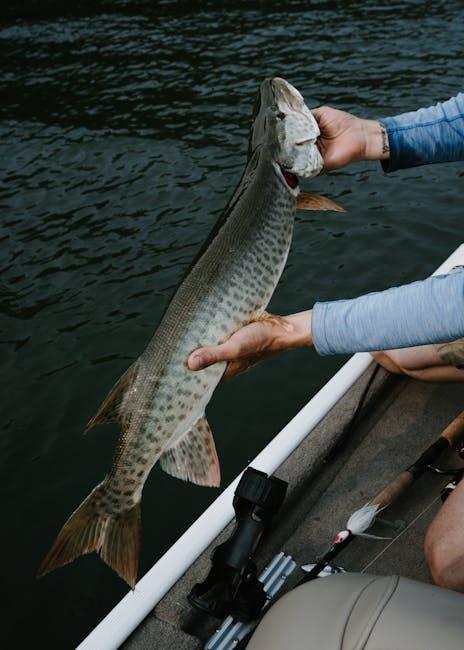
In the ever-evolving landscape of trophy fishing in North America, striking a balance between stringent regulations and sustainable practices is paramount. This intricate dance involves ensuring the conservation of fish populations while also respecting the cultural and economic aspects tied to this long-standing tradition. With diverse ecosystems across the continent, regulators face the challenge of crafting policies that are both locally relevant and broadly effective. The goal is to protect aquatic biodiversity without stifling the recreational fishing industry, which is a significant economic driver in many regions.
- Adaptive management strategies: Implementing flexible regulations that can adjust to changing environmental conditions.
- Community involvement: Engaging local communities and indigenous groups in decision-making processes to ensure culturally sensitive and effective outcomes.
- Research and monitoring: Investing in scientific research to better understand fish populations and the impacts of trophy fishing.
- Education and awareness: Promoting responsible fishing practices through educational campaigns targeted at anglers.
By integrating these elements, North America can foster a future where trophy fishing coexists with thriving ecosystems, ensuring that the pursuit of the perfect catch does not come at the expense of the environment. The delicate balance of regulations and sustainability will require ongoing dialogue and collaboration among stakeholders, guided by a commitment to preserving both natural resources and cultural heritage.
The Way Forward
As the sun sets on the tranquil waters of North America’s lakes and rivers, the debate over trophy fishing continues to ripple through communities and conservation circles alike. While some see it as a proud tradition, others view it as an outdated practice in need of reevaluation. The conversation is as vast and varied as the landscapes where these prized fish reside.
What remains clear is the need for dialogue, understanding, and a willingness to consider diverse perspectives. As anglers cast their lines and conservationists champion sustainable practices, perhaps the ultimate trophy is not the catch itself, but the ability to find common ground. the future of trophy fishing may well depend on our collective ability to balance respect for tradition with the imperative to preserve our natural world for generations to come.
And so, the debate flows on, like a river with no end in sight, inviting all who care to engage in the ongoing story of North America’s aquatic heritage.