
























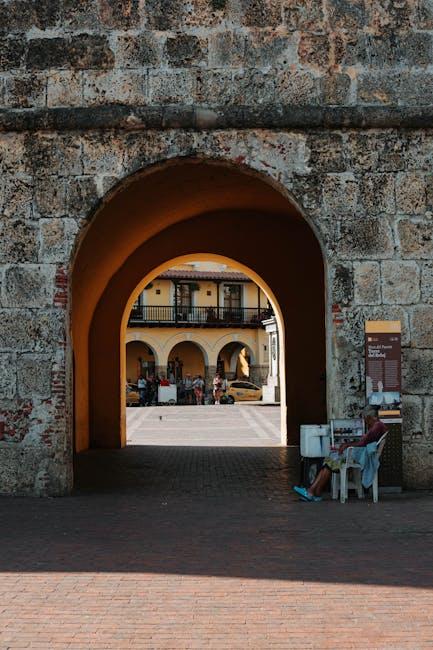
Nestled on the shimmering shores of the Caribbean, Cartagena stands as a living tapestry of history, where the echoes of colonial past intermingle with the vibrant pulse of modern life. This enchanting city, with its sun-drenched plazas and cobblestone streets, invites us to step back in time and explore the intricate layers of its storied past. From the formidable walls that once protected it from marauding pirates to the grandiose cathedrals that whisper tales of bygone eras, Cartagena is a testament to the enduring legacy of colonial ambition and cultural fusion. Join us as we delve into the heart of this captivating city, unraveling the complex narratives that have shaped its identity and continue to influence its present. Through the lens of history, we will uncover the myriad influences that have left an indelible mark on Cartagena, inviting a deeper understanding of its unique place in the tapestry of time.
Wandering Through Time: Discovering Cartagenas Colonial Architecture
Stepping into the heart of Cartagena, one is instantly enveloped by the rich tapestry of its colonial past. The city’s architecture, a mosaic of Spanish influence and local craftsmanship, tells stories of a bygone era. As you wander through its cobblestone streets, each corner reveals a new narrative etched in stone and mortar. The intricate balconies draped with vibrant bougainvillea, the grandiose churches standing as sentinels of faith, and the ornate doorways leading into hidden courtyards all whisper secrets of the past. Cartagena’s architectural gems are more than just structures; they are relics of history that invite you to explore and uncover their mysteries.
- San Pedro Claver Church: A majestic embodiment of Baroque style, this church is a testament to the enduring faith and artistic flair of the era.
- Castillo San Felipe de Barajas: An imposing fortress that stands as a guardian of the city, showcasing military ingenuity and strategic prowess.
- Las Bóvedas: Once used as dungeons, these vaulted structures now house vibrant markets, echoing the transformation of the city through time.
The juxtaposition of the old with the new creates a living museum where each structure contributes to the rich narrative of Cartagena’s history. Wandering through these historical landmarks is not merely a visual journey but an invitation to immerse oneself in the cultural and historical legacy that has shaped the city into what it is today.
Unveiling the Past: Key Historical Sites and Their Stories
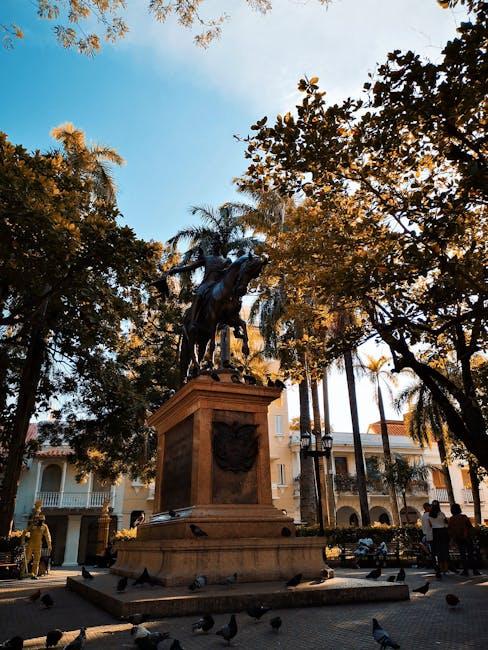
Nestled along the Caribbean coast, Cartagena is a city that whispers tales of a bygone era through its cobblestone streets and formidable fortresses. A visit here is a journey back to the 16th century when the Spanish Empire left indelible marks on this vibrant port city. The Castillo San Felipe de Barajas, an imposing fortress, stands as a testament to the engineering prowess of the colonial period. Originally built to fend off pirate attacks, its labyrinth of tunnels and strategic vantage points offer a glimpse into the military strategies of the time.
As you meander through the walled city, you’ll encounter an array of colonial architecture, with pastel-colored buildings adorned with wooden balconies. Key sites include:
- La Catedral de Cartagena – A stunning cathedral that showcases the intricate Baroque style, completed in 1612.
- Palacio de la Inquisición - Once the seat of the Holy Office, this palace now serves as a museum chronicling the dark tales of the Inquisition.
- Las Bóvedas – Originally built as dungeons, these arcades now host bustling artisan shops.
Each corner of Cartagena reveals layers of history, inviting visitors to explore its rich colonial legacy.
Cultural Tapestry: Cartagenas Influence on Modern Identity
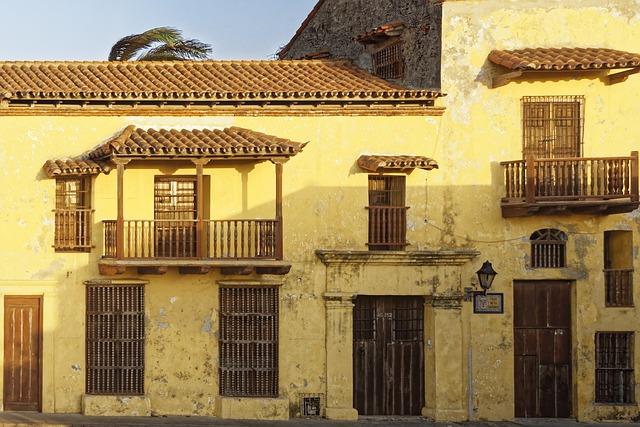
In the heart of the Caribbean, Cartagena’s rich colonial past weaves a vibrant cultural tapestry that continues to shape modern identity. The city’s architecture, with its fortified walls and cobblestone streets, whispers stories of a bygone era when Spanish settlers established it as a crucial port. These historical elements are not mere relics but active participants in today’s cultural narrative, influencing everything from local traditions to the city’s burgeoning arts scene.
- Architectural Heritage: The colonial buildings, with their colorful facades and intricate balconies, serve as a backdrop for contemporary life, blending seamlessly with modern structures.
- Culinary Influences: Cartagena’s cuisine, a delightful fusion of indigenous, African, and Spanish flavors, offers a culinary journey that tells tales of its diverse ancestry.
- Festive Spirit: The city’s vibrant festivals and carnivals reflect a deep-rooted tradition of celebration, drawing visitors from around the globe to partake in its lively cultural expressions.
As Cartagena strides confidently into the future, it carries with it the indelible marks of its colonial past, a testament to the enduring power of cultural fusion and transformation.
Practical Insights: Planning Your Historical Journey in Cartagena
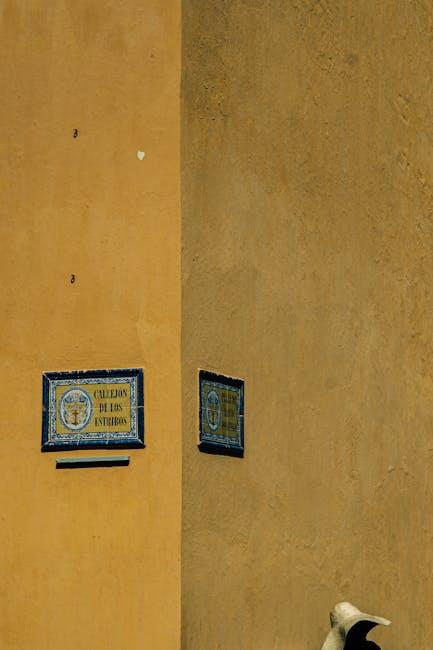
When embarking on your exploration of Cartagena’s rich colonial past, consider incorporating both the city’s famous landmarks and its hidden gems into your itinerary. Start your journey at the iconic Castillo San Felipe de Barajas, a fortress that stands as a testament to the city’s strategic importance and resilience. Wander through the vibrant streets of the walled city, where each corner unveils a story etched into the colorful facades and cobblestone pathways.
- Travel Light: Wear comfortable shoes for walking tours and bring a lightweight backpack for essentials.
- Guided Tours: Consider hiring a local guide to gain insights into the lesser-known aspects of Cartagena’s history.
- Timing: Visit major sites early in the morning or late in the afternoon to avoid crowds and enjoy a more serene experience.
- Local Cuisine: Take breaks to savor local dishes such as arepas and fresh seafood, offering a taste of the city’s cultural heritage.
For a more immersive experience, explore the vibrant neighborhoods of Getsemaní and San Diego, where the past and present coexist harmoniously. Here, street art and colonial architecture blend seamlessly, inviting you to delve deeper into the stories that have shaped Cartagena’s unique identity.
Final Thoughts
As we close the chapter on our exploration of Cartagena’s colonial history, we find ourselves at a crossroads between the echoes of the past and the vibrant pulse of the present. The cobblestone streets and towering fortresses, silent witnesses to centuries of change, remind us that history is not merely a collection of dates and events but a living narrative that shapes our understanding of identity and heritage. Cartagena, with its sun-drenched plazas and resilient spirit, invites us to delve deeper, to question, and to appreciate the intricate tapestry woven through time. As the sun sets over the Caribbean horizon, casting a golden glow over this storied city, we are reminded that the journey of discovery is never truly complete. The legacy of Cartagena, with all its complexities and contradictions, continues to unfold, offering endless opportunities for reflection and learning. Let us carry forward the lessons of the past, with an eye towards a future where history enriches our collective journey.